


Pakistan’s textile industry just hit a wall. Export numbers have nosedived to their lowest point in nearly a decade, and factories are bleeding.
Last quarter brought devastating figures. Textile shipments dropped 23% year-on-year. Raw materials got expensive. Energy costs skyrocketed. And global buyers? They’re shopping elsewhere now. Bangladesh and Vietnam are eating Pakistan’s lunch in the international market.
The Perfect Storm
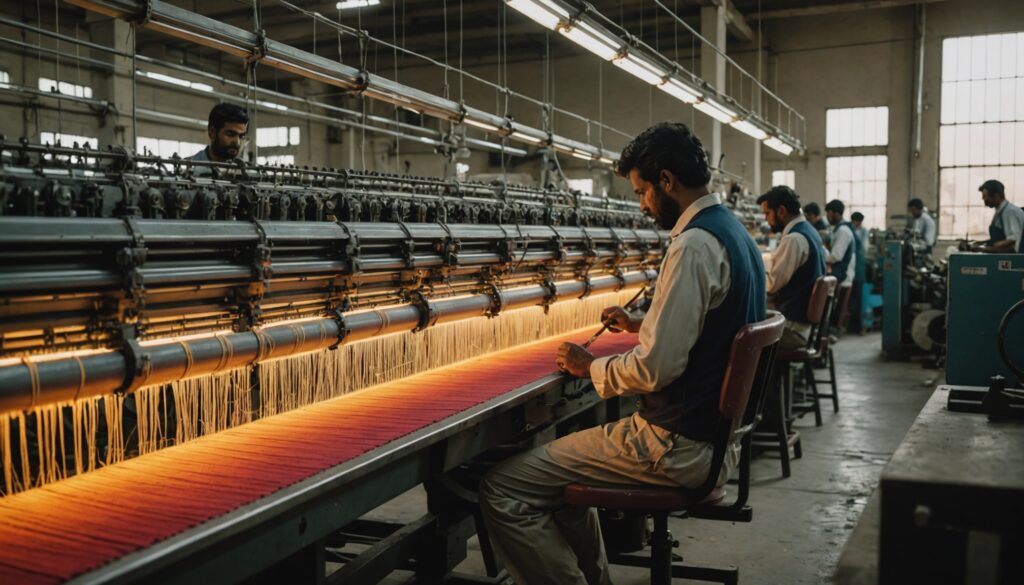
“This isn’t just a market dip — it’s structural,” says Amir Hassan, textile analyst at Karachi Business Forum. “We’ve lost competitiveness on price and delivery timelines.” Currency pressure, inflation, and outdated machinery all played a role. Meanwhile, competitor nations upgraded their tech and cut costs faster.
The hit is real for workers too. Smaller mills are already laying off staff. Karachi’s factory belt has gone quiet. Contractors aren’t getting orders. Families depending on spinning mills and garment units are tightening belts.
Government promises came and went. Tax breaks didn’t materialize. Energy subsidies stayed in the policy drawer. Industrial zones needed renovation for years. Nothing happened quick enough.
Here’s the kicker: textile exports still account for roughly 8% of Pakistan’s total export revenue. This crash isn’t just bad news for mill owners—it’s a red flag for the entire economy. Without urgent reforms in energy pricing, customs procedures, and factory modernization, more pain is coming. The sector needs a real rescue plan, not speeches.