


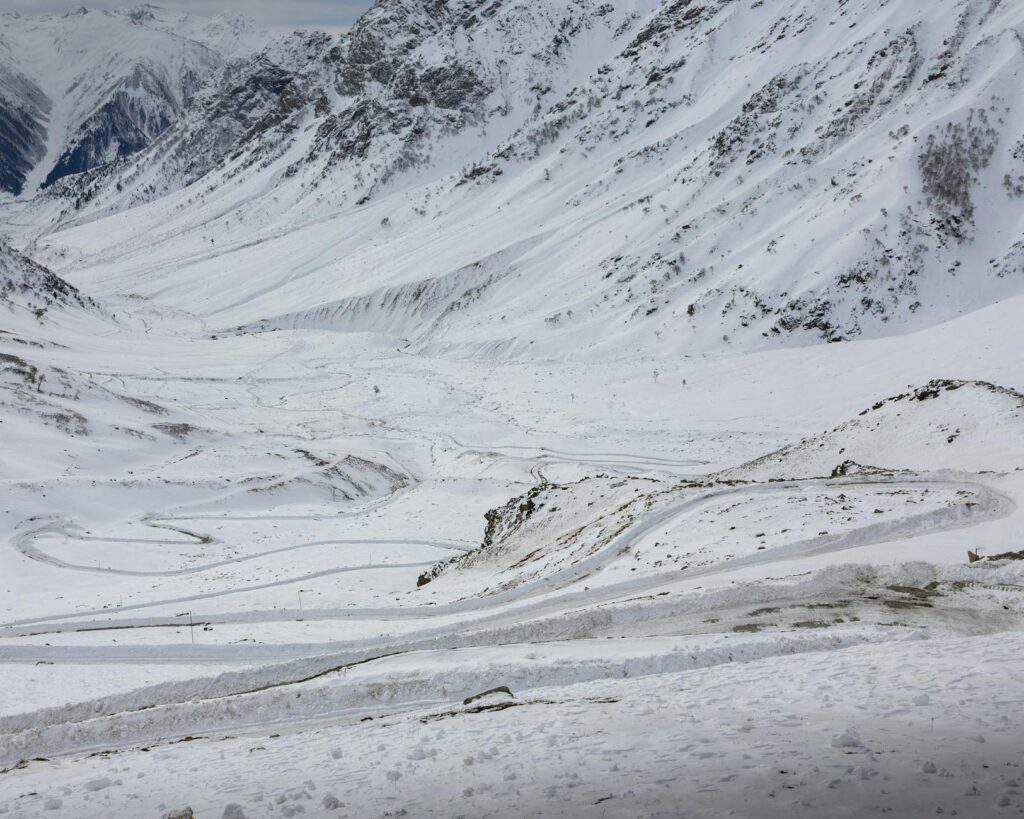

Snow fell in Naran Valley last month. Not in December or January—in May. Visitors who showed up expecting spring warmth instead found fresh snow covering Lulusar Lake and Babusar Top, turning the landscape into something that looked pulled straight from a winter postcard.
Unusual Weather Rewrites the Season
What happens when spring doesn’t stick to the script? The mountains remind you they make the rules. Cold conditions rolled through northern Pakistan’s scenic highlands despite the calendar saying late spring, creating a sharp contrast between snow-blanketed peaks and the season that should’ve already arrived.
Social media filled up with photos almost immediately. Travelers and nature lovers rushed toward these popular spots, chasing the rare visual of frozen mountains and white-covered valleys when they should’ve been seeing green slopes and melting ice. The unexpected weather turned already stunning terrain into something even more remarkable.
Tourist Season Gets a Winter Twist
Naran Valley’s reputation for drawing visitors just got a boost. The unexpected snowfall transformed these northern areas into even more picturesque destinations than usual, attracting crowds of people wanting to witness something genuinely rare. You don’t see Pakistan’s mountains wearing snow in May very often.
Climate patterns across South Asia have been shifting in recent years, bringing unpredictable weather to regions that once followed more predictable seasons. For Pakistan’s tourism industry, especially in areas like Khyber Pakhtunkhwa, these anomalies can either boost visitor numbers or create logistical headaches. This time, it seems travelers viewed it as a gift. Stories like this matter because they show how Pakistan’s natural attractions remain compelling even when nature throws curveballs at the calendar. Check coverage from TheCapital.pk for more on how Pakistan’s regions adapt to changing weather patterns.