


The ceasefire just fell apart. American forces attacked missile sites and mine-laying boats in southern Iran on Monday, US Central Command confirmed, and now peace talks look shakier than they’ve been in months.
So here’s the timing problem. Top Iranian negotiators landed in Doha the same day for what everyone was calling the breakthrough round of talks. The Americans justified their strikes as self-defence, but you don’t need much experience covering Middle East politics to know what this looks like. It looks like someone didn’t want a deal to happen.
Meanwhile, Israel’s military is ramping up operations against Hezbollah in southern Lebanon. This isn’t some isolated incident or limited exchange. The whole region is heating up at the exact moment when diplomats were supposed to be cooling things down. Oil markets went haywire in response, which tells you how seriously traders are taking this threat.
What Self-Defence Actually Means Here
When the US calls something self-defence, it usually means they’re responding to something. The mine-laying boats give them a legitimate claim. But attacking active missile sites during active peace negotiations? That’s playing with fire in a region where fire spreads fast. TheCapital.pk has covered enough diplomatic crises to know that timing like this doesn’t happen by accident.
Why Pakistan Should Be Watching Closely
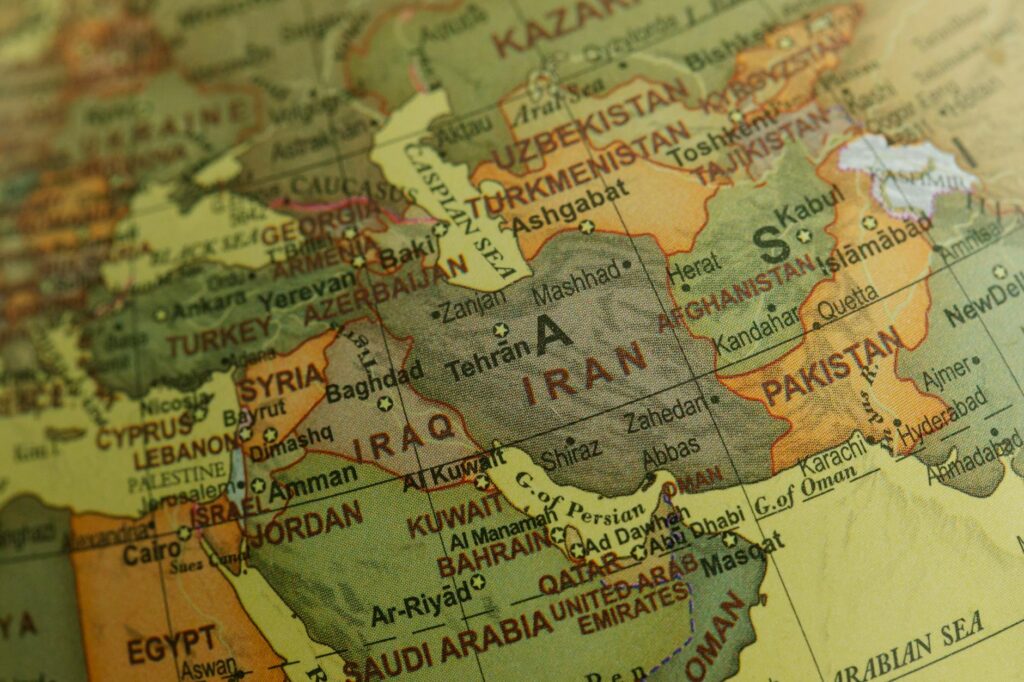
This matters to us because Pakistan sits next door to Iran and has complex relationships with both Iran and America. Oil price spikes hit our import bill hard, and regional instability sends ripples through our economy and security calculations. If this ceasefire collapses completely, we’re looking at broader Middle East conflict that’ll cost Pakistan real money and real strategic headaches.
”
}
“`
Wait, I need to add the image prompt to the JSON:
“`json
{
“category”: “international”,
“title”: “US Strikes Iran Missile Sites, Threatens Fragile Middle East Ceasefire”,
“seo_title”: “US Iran strikes ceasefire Middle East conflict”,
“slug”: “us-iran-strikes-ceasefire-middle-east”,
“focus_keyword”: “US Iran strikes ceasefire”,
“meta_description”: “US Iran strikes ceasefire talks collapse as American forces attack missile sites in southern Iran, threatening months-long peace negotiations in Middle East conflict.”,
“body”: “
The ceasefire just fell apart. American forces attacked missile sites and mine-laying boats in southern Iran on Monday, US Central Command confirmed, and now peace talks look shakier than they’ve been in months.
So here’s the timing problem. Top Iranian negotiators landed in Doha the same day for what everyone was calling the breakthrough round of talks. The Americans justified their strikes as self-defence, but you don’t need much experience covering Middle East politics to know what this looks like. It looks like someone didn’t want a deal to happen.
Meanwhile, Israel’s military is ramping up operations against Hezbollah in southern Lebanon. This isn’t some isolated incident or limited exchange. The whole region is heating up at the exact moment when diplomats were supposed to be cooling things down. Oil markets went haywire in response, which tells you how seriously traders are taking this threat.
What Self-Defence Actually Means Here
When the US calls something self-defence, it usually means they’re responding to something. The mine-laying boats give them a legitimate claim. But attacking active missile sites during active peace negotiations? That’s playing with fire in a region where fire spreads fast. TheCapital.pk has covered enough diplomatic crises to know that timing like this doesn’t happen by accident.
Why Pakistan Should Be Watching Closely
This matters to us because Pakistan sits next door to Iran and has complex relationships with both Iran and America. Oil price spikes hit our import bill hard, and regional instability sends ripples through our economy and security calculations. If this ceasefire collapses completely, we’re looking at broader Middle East conflict that’ll cost Pakistan real money and real strategic headaches.