
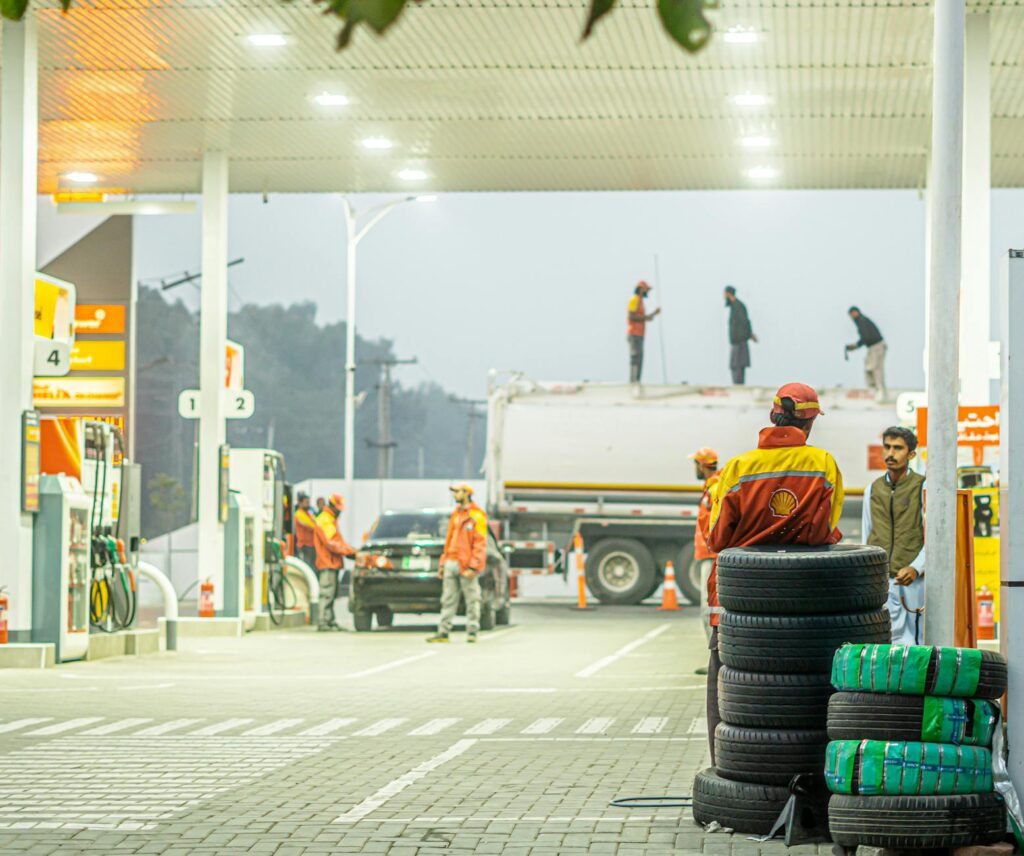

Government just announced a major fuel levy adjustment that’s going to hit your wallet hard.
The new fuel pricing structure changes how much you’ll pay at the pump, and it’s already causing ripples across the country. Transportation costs spike when petrol prices jump, which means everything from groceries to rent gets more expensive eventually. So if you’ve been wondering why inflation keeps biting harder, this is part of the answer.
What the Fuel Levy Update Means for Your Pocket
The levy adjustment directly impacts petrol prices at all filling stations nationwide. Transporters are already calculating how this hits their bottom line. Small businesses that rely on vehicles for delivery are scrambling to figure out new operational costs.
But here’s what nobody talks about: the government uses fuel levy to fund infrastructure projects. Higher levies mean more money for roads, highways, and public transport—theoretically anyway. Yet implementation in Pakistan rarely matches the promise, so citizens get squeezed while projects stall midway.
Why Now? The Timing Question
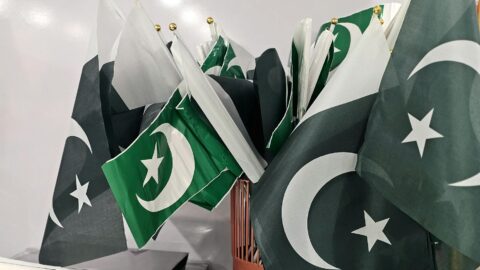
This announcement comes during high summer season when people travel more and businesses increase deliveries. Worst possible timing for the average Pakistani family already dealing with extreme heat and rising electricity bills. The decision signals that economic pressure forces the government’s hand despite knowing public backlash is coming.
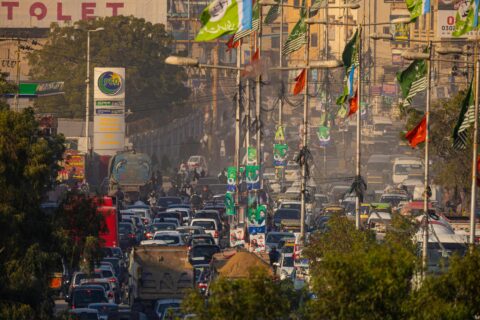
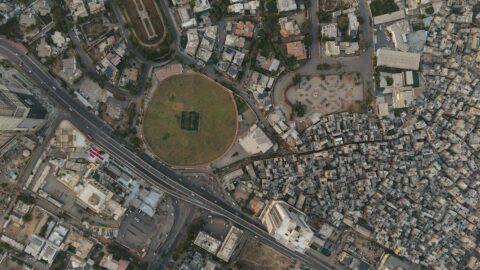
Lahore, Karachi, and Islamabad will see the sharpest impact since these cities have the heaviest vehicle traffic. Rickshaw and taxi fares will jump within days as operators pass costs directly to commuters. For working-class Pakistanis depending on public transport, this fuel levy update means tighter household budgets and harder choices between food and transportation.
Check TheCapital.pk for detailed breakdowns of how this affects different sectors. Middle-class families already struggling with inflation now face another squeeze, while transport operators inch toward strikes if margins disappear entirely.