

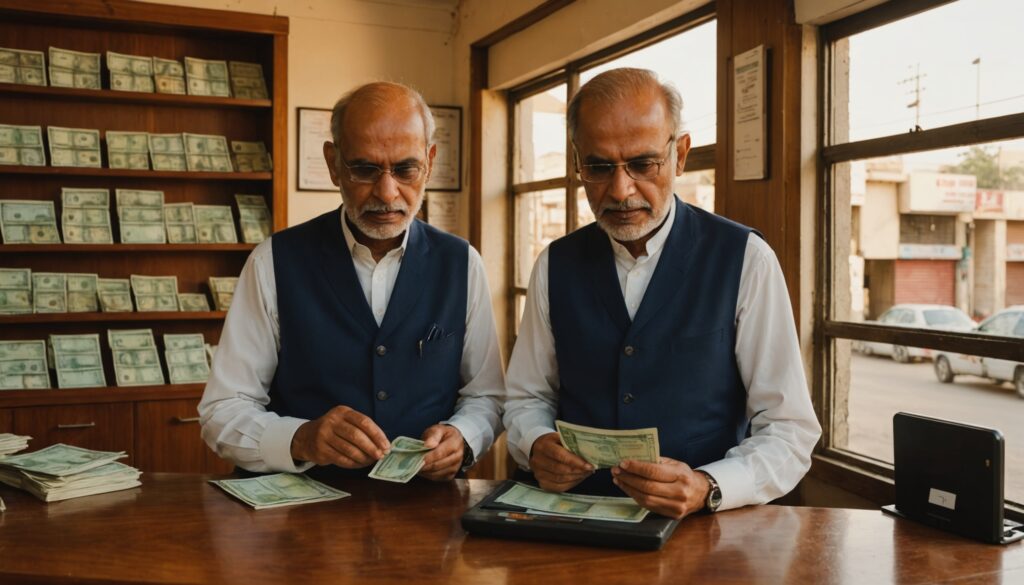

The Pakistani rupee just hit its worst level ever. In one week, it dropped from 278 to 285 per US dollar. Your money is worth less. Your shopping bills will go up.
The core problem? Foreign reserves are evaporating. The State Bank reported reserves fell below $8 billion in recent weeks. That’s barely enough to cover two months of imports. Pakistan needs dollars to buy oil, medicines, and machinery from abroad. Without them, the country grinds to a halt.
The Domino Effect Nobody’s Talking About
When the rupee weakens, everything imported gets expensive instantly. A phone that cost 100,000 rupees three months ago now costs 108,000. Petrol prices rise. Medicine prices rise. Inflation accelerates. “The currency collapse directly feeds into consumer prices,” says Amir Karamali, economist at Habib Bank. “Middle-class families feel the pain within weeks, not months.”
Why are reserves dying? First: Pakistan’s exports are weak. Second: tourism revenue dropped post-2022 floods. Third: Overseas Pakistani workers sent less money home last year. The math doesn’t work. Money going out exceeds money coming in.
The IMF bailout helped temporarily. But that money is nearly spent. Without real fixes—export growth, revenue collection, subsidy cuts—the rupee will keep falling. Nobody wants to hold Pakistani currency when it loses value weekly.
For ordinary Pakistanis, this is brutal. Salaries stay the same. Rent rises. Groceries cost more. Small businesses that depend on imports either hike prices or die. For Pakistan’s economy, weakness in the rupee signals deeper trouble: inability to earn enough foreign exchange to sustain basic imports and maintain macroeconomic stability.