


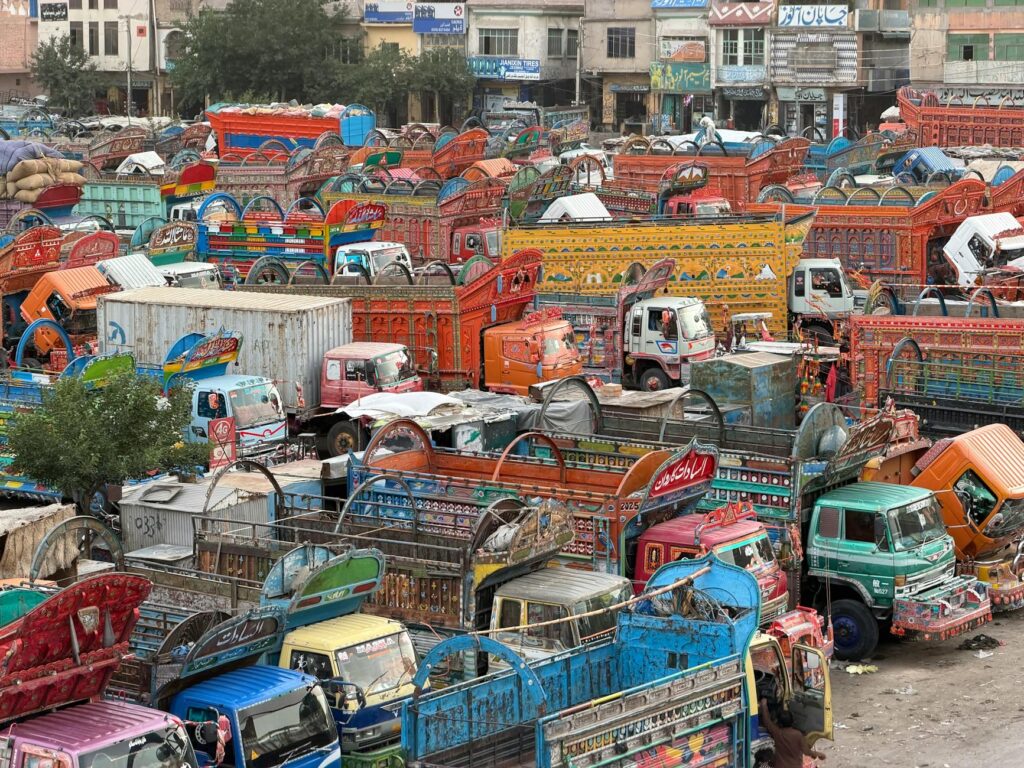

Pakistan’s port just caught a break. Shipping companies are rerouting cargo away from Middle East routes, and our terminals are picking up the overflow.
Why does this matter? When regional tensions spike, big container ships don’t take chances. They’re dumping cargo at safer ports like ours instead, and that means real money flowing into local operations. The transshipment game works simple: goods come in, get sorted, move out to final destinations. Our handlers are suddenly busier than they’ve been in years.
How Pakistan’s Port Benefits
Container traffic is up. Labor is up. Infrastructure gets used harder, which means better returns on investment. Port staff handles more volume, customs brokers process more paperwork, trucking companies haul more cargo inland. Every business touching that supply chain wins something.
But here’s the catch: this isn’t stable income. Geopolitical situations shift fast. One peace deal in the Gulf and ships go back to their old routes. So our port needs to lock in these clients now, improve infrastructure, and prove we’re reliable long term. The window’s open, but it won’t stay open forever.
What This Means for Pakistan Right Now
Revenue from port operations goes straight into government coffers and private terminal operators’ pockets. More cargo means more jobs on the docks, more truck drivers needed, more warehousing demand in industrial zones. TheCapital.pk has covered similar cargo booms before, and the ripple effect spreads across entire cities.
The real question is whether we expand capacity now or wait and miss this chance. Pakistan’s port infrastructure needs investment either way, but crisis-driven demand gives us actual justification to upgrade. If we play this right, transshipment becomes a permanent revenue stream, not a temporary gift.