
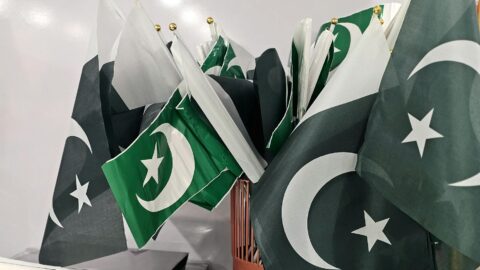

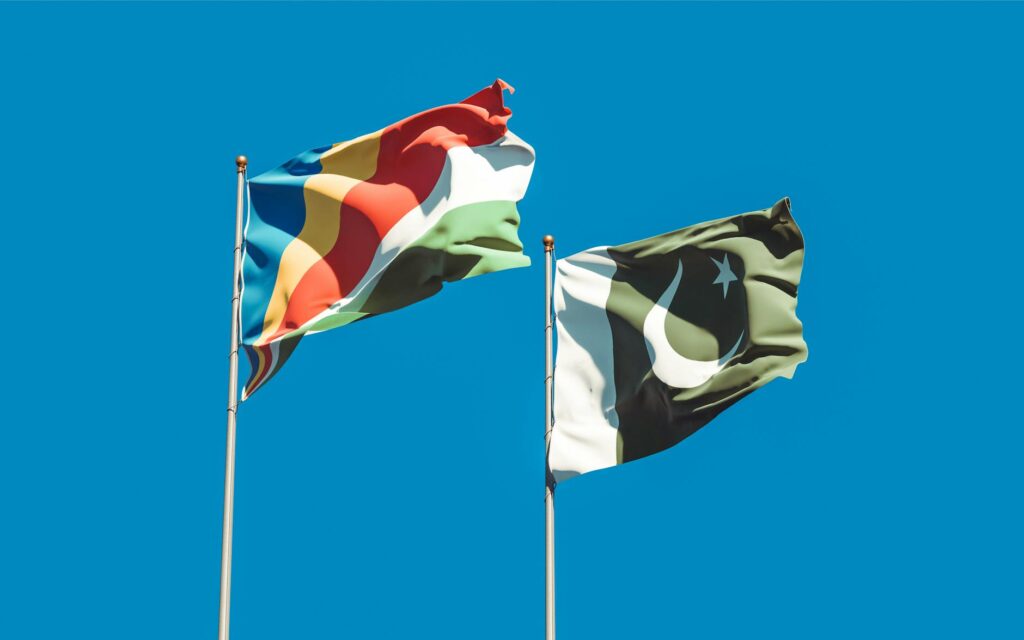

Pakistan and China just hammered out a new broad consensus on deepening bilateral ties. This isn’t just talk—both sides are serious about moving the relationship forward on economics, trade, and strategy.
So what’s actually changing here? The agreement covers expanded trade corridors, infrastructure projects, and defense cooperation. China remains Pakistan’s closest ally in Asia, and this fresh understanding signals commitment on both sides to make that partnership work harder.
Economic Growth Through Pakistan China Ties
Pakistan’s economy needs a boost, and Beijing knows it. Chinese investment in infrastructure—ports, roads, energy projects—has already reshaped Pakistan’s industrial landscape. But this new consensus means we’ll see even more capital flowing in. Why? Because China wants reliable partners, and Pakistan’s geographic position between Central Asia and the Indian Ocean matters hugely for Beijing’s Belt and Road goals.
The two nations plan to accelerate joint ventures in manufacturing, technology, and energy sectors. Manufacturing hubs around Lahore, Karachi, and Islamabad could see major expansion. Reports at TheCapital.pk have tracked Chinese business interest in Pakistan’s textile and pharmaceutical industries for years now.
What This Means for Pakistan’s Growth
Jobs. Foreign exchange. Technology transfer. That’s the real prize here. Pakistan desperately needs to reduce unemployment and stabilize its currency, and Chinese investment tackles both problems directly.
Still, there’s pressure on the government to ensure these projects actually benefit ordinary Pakistanis—not just corrupt officials and connected businesspeople. The consensus is worthless if funds disappear into black holes. For Pakistan to genuinely grow from this partnership, transparency and execution matter as much as Beijing’s willingness to invest.