

The Americans aren’t backing down. Pentagon chief Pete Hegseth made it crystal clear that Donald Trump is willing to negotiate with Iran, but military force stays on the table. He wants a great deal on the nuclear issue. He’s patient. But don’t mistake patience for weakness.
Pressure mounting on Iran’s waterway control
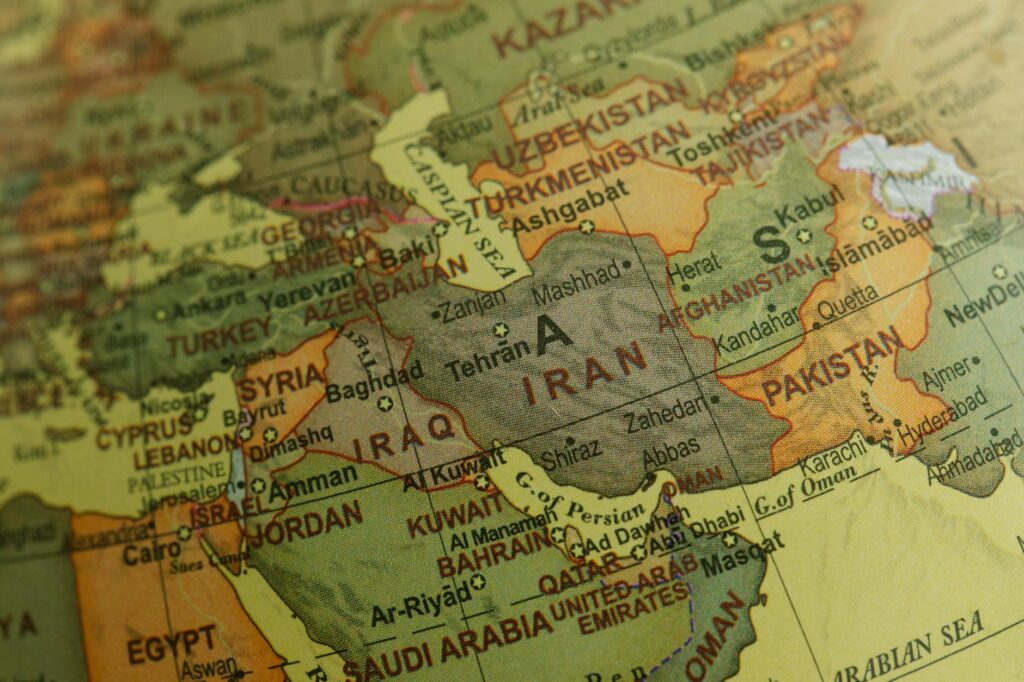
The US Navy just fired on a Gambia-flagged ship it claims violated the Iran blockade. Meanwhile, Tehran is demanding that vessels crossing the Strait of Hormuz follow its regulations. So what’s actually happening? Both sides are squeezing each other, yet negotiations continue. Hegseth stated openly that Iran faces pressure to open the strait, whether there’s a deal or not.
This is the real game. Control the chokepoint, control the leverage. About 30 percent of global maritime oil traffic moves through that strait. If it closes, the world economy feels it immediately.
Pakistan’s unexpected role in diplomacy
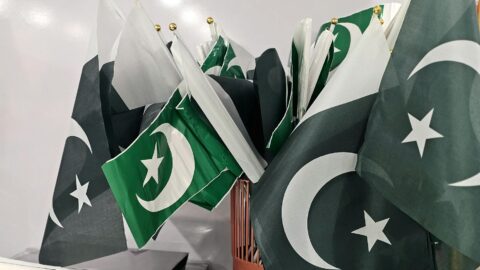
Here’s where it gets interesting for us. Hegseth praised Prime Minister Shehbaz and Chief of Defence Staff Munir for their role in these negotiations. He called it a sign of true friendship developing with Islamabad. Pakistan is hosting talks. Pakistan is being trusted as a mediator in a crisis that could reshape the entire region and global oil markets. That’s no small thing for a country that’s spent years rebuilding diplomatic relationships on the international stage. Check TheCapital.pk for more on how this affects Pakistan’s economy and security standing.
If war breaks out over Iran’s nuclear program, Pakistan’s already fragile economy gets hit hard through oil prices and regional instability. But if these talks succeed, Pakistan emerges as a credible diplomatic player on the world stage. That matters for our future.