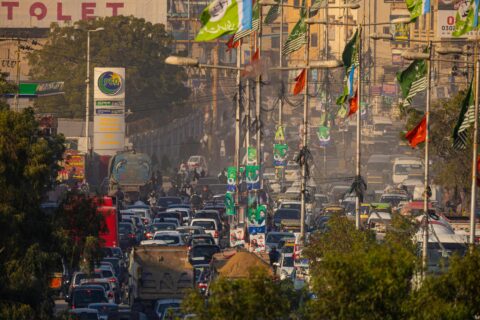


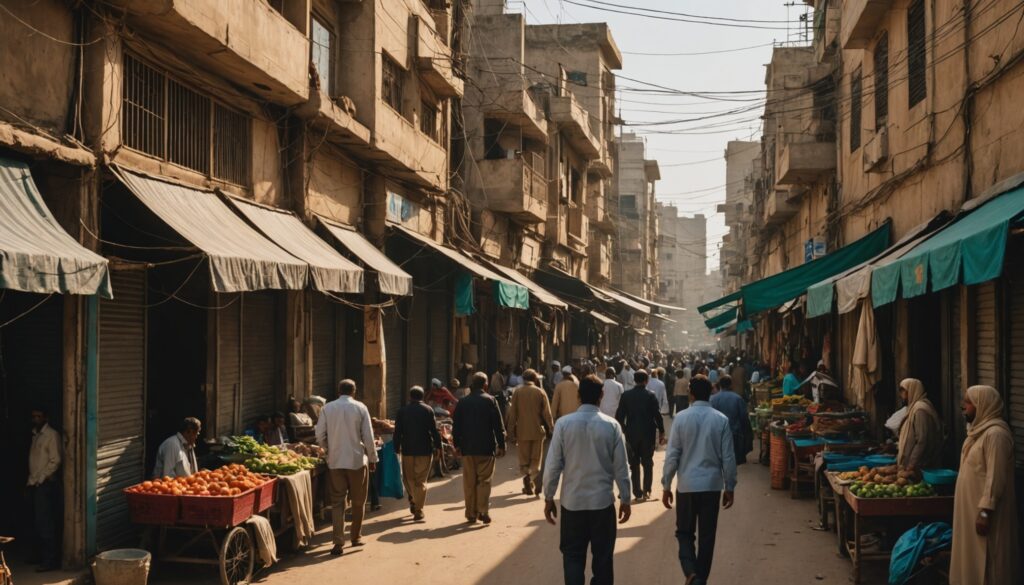

Pakistan’s electricity grid is buckling under pressure, and nobody seems ready for what comes next.
The country is bleeding 5,000 megawatts of power. That’s enough juice to keep Karachi running for a full day. Instead, it’s vanishing into thin air — literally sitting unused because thermal plants can’t fire up without fuel, and renewable energy is still playing catch-up in a nation of 230 million people.
Summer hasn’t even peaked yet. Temperatures are climbing. Air conditioners are kicking in. Hospitals, factories, and homes are all screaming for electricity at the same time. Load shedding is already hitting 8 to 12 hours a day in some cities. By July? Experts say we’re looking at near-total blackouts in provincial areas.
Why Things Fell Apart So Fast
Three words: debt, coal, and bad timing. Energy costs have tripled since last year. Natural gas imports are expensive. Coal plants need cash upfront. The government squeezed budgets. Renewable projects got stuck. And now the system is gasping.
“The structural issues are deep,” says Tariq Khan, energy analyst at Lahore Policy Institute. “You can’t fix a decade of underinvestment with quick fixes. We need serious reform, not temporary patches.”
Power plants are running at 60% capacity when they should run at 80-90%. Some sit completely idle. Others need repairs nobody is paying for. It’s like owning a car, parking it in the garage, and then being surprised when you can’t drive.
The math is brutal. Pakistan needs 40,000MW daily. It’s producing 35,000MW on a good day. Add peak summer demand, and the gap becomes an abyss.
For ordinary Pakistanis, this means business owners losing money during shutdowns, students studying by candlelight, and hospitals running on generators that eat fuel budgets alive. For the economy? Another hit it can’t afford. Manufacturing already moved to countries with stable power. More will follow.