
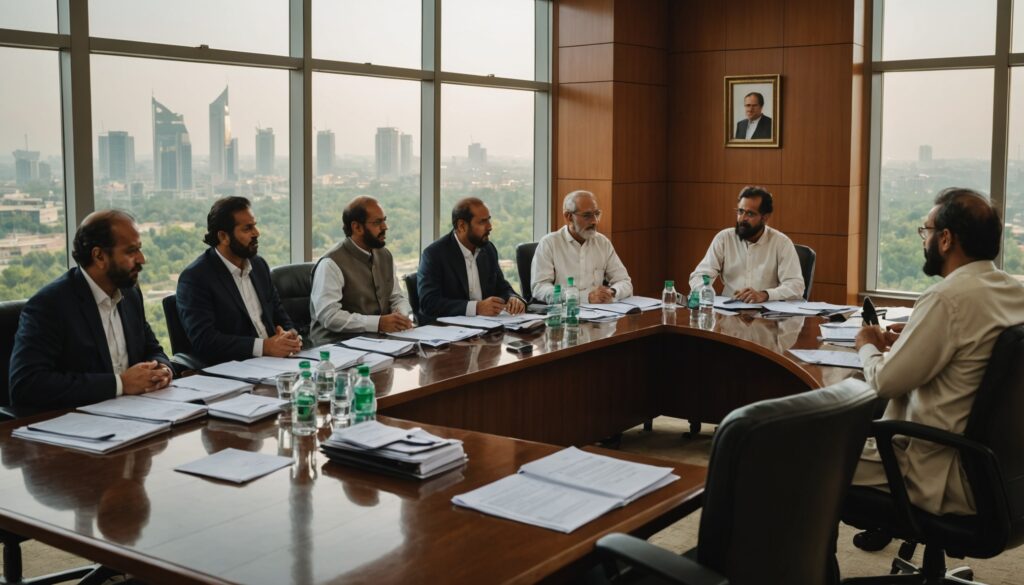

The rupee hit another historic low this week, and ordinary Pakistanis are feeling the squeeze everywhere. A cup of chai costs more than it did six months ago. Petrol prices fluctuate like monsoon rains. Meanwhile, Islamabad is gearing up for what could be one of the most consequential IMF negotiations in years — talks that will likely determine whether Pakistan gets the financial lifeline it desperately needs or spirals further into economic chaos.
The International Monetary Fund isn’t coming to Islamabad with a blank cheque. These aren’t feel-good discussions over green tea. This is hardball economics, and Pakistan’s government knows it. The fund has made clear that any new bailout programme — possibly worth $6 to $8 billion — will come with demands. Austerity measures. Subsidy cuts. Tax increases. The kinds of decisions that make Finance Ministers lose sleep and keep ordinary citizens awake at night worrying about grocery bills.
## When the Rupee Falls, Everyone Pays the Price
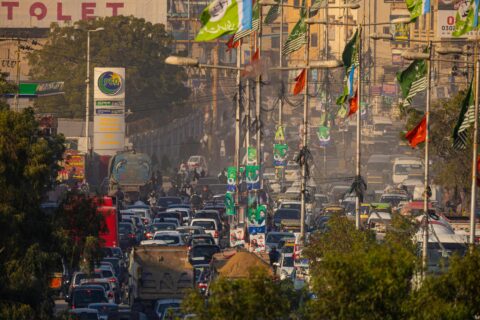
Let’s be honest about what’s happening on the streets. The rupee’s decline isn’t just a number on a currency trader’s screen. When the rupee weakens against the dollar, import costs explode. Pakistan imports nearly everything — oil, food, machinery, medicines. A weaker rupee means a farmer buying fertiliser pays more. A factory owner importing raw materials faces higher costs. Those costs get passed down. The shopkeeper raises prices. The baker adjusts bread costs. Families making 50,000 rupees a month suddenly find their purchasing power has shrunk by 10, 15, sometimes 20 percent in a single year.
Inflation has been Pakistan’s invisible assassin. Official figures hover around 24-25 percent, but anyone buying vegetables at the market knows the real number feels worse. Meat prices have doubled. Cooking oil has become a luxury item for many households. The State Bank has been hiking interest rates trying to cool inflation, but that’s a double-edged sword — it makes borrowing more expensive for businesses and keeps wages from rising fast enough to catch up.
Dr. Farrukh Saleem, economist and policy analyst, puts it bluntly: “Pakistan is caught between two painful options. If we don’t get IMF support, the balance of payments crisis deepens and the rupee falls even further. If we do get the bailout, we’ll face IMF conditionalities that will hurt growth in the short term. Either way, ordinary Pakistanis will feel pain. The question is whether we have a plan to distribute that pain fairly.”
## The IMF Wants Structural Change, Not Band-Aids
Here’s what makes this round of talks different from previous IMF programmes. The fund isn’t interested in temporary fixes anymore. Pakistan has been through six IMF programmes since 2008. Six. That’s not a success story — that’s a pattern of incomplete reforms and recurring crises. This time, Washington wants to see real structural change: tax collection improvements, energy sector reforms, privatisation of state-owned enterprises, and elimination of subsidies that drain the Treasury.
The tax issue is particularly thorny. Pakistan’s tax-to-GDP ratio sits at around 12 percent — one of the lowest in the world. For comparison, India collects around 17 percent. The IMF will push hard for increased tax collection, which sounds reasonable in theory but becomes messy in practice. It means scrutinising real estate transactions, farming income, and retail businesses. It means going after wealthy industrialists who’ve traditionally paid their way out. It means the government actually enforcing tax laws against the connected and the powerful.
A senior government official, speaking on condition of anonymity, acknowledged the challenge: “The IMF knows Pakistan’s politics. They know that every government before us promised tax reform and then backed down when powerful groups pushed back. They’ll want guarantees this time — institutional safeguards, not just ministerial promises.”
The energy sector is another battlefield. Pakistan’s circular debt — where the government owes power producers, who can’t pay employees, who can’t buy fuel, creating a vicious cycle — exceeds 2.7 trillion rupees. The IMF wants substantive reform: cost-reflective tariffs, meaning ordinary consumers pay closer to what electricity actually costs to produce. That’s politically explosive. Karachi and Lahore’s middle class will scream. But the fund sees it as necessary medicine.
## What About Growth and Jobs?
There’s a legitimate tension here that Pakistan’s policymakers wrestle with constantly. IMF programmes prioritise stability — getting inflation down, stabilising the rupee, reducing the fiscal deficit. That’s important, absolutely. But stability pursued too aggressively can strangle growth. When you raise interest rates to combat inflation, businesses hold back on investment. When you cut government spending, development projects stall. When you raise power tariffs, manufacturing costs rise.
The Pakistani government will likely push back on the pace and intensity of reforms. They’ll want more time for adjustments, more room for growth-oriented policies, more flexibility on subsidy cuts. The fund will be sceptical. Previous programmes gave Pakistan flexibility, the argument goes, and the country didn’t deliver.
What complicates everything is timing. General elections are likely in late 2024 or early 2025. No government wants to implement harsh austerity measures right before an election. But the IMF doesn’t care about Pakistan’s electoral calendar. Their job is ensuring loan repayment and economic stability, not electoral victory for whoever happens to be in power.
## What This Means for Pakistan
If negotiations succeed and Pakistan gets a new IMF programme, expect the next 12-18 months to be rough. Electricity bills will go up noticeably. Petrol prices will likely rise, though the pace is uncertain. Government salaries might be frozen or modest. Development projects will slow. Growth could dip to 2-3 percent, maybe lower. But there’s a path forward — if reforms stick, if institutions strengthen, if Pakistan actually collects taxes fairly and invests in productive capacity, then growth could reaccelerate by 2026-2027. The question is whether Pakistan’s political elite will stay the course or, like before, abandon the programme when the pain gets visible and domestic pressure mounts.
The alternative — rejecting IMF support and going it alone — is worse. That leads to a currency spiral, empty foreign reserves, and an economy in free fall. Pakistan would be borrowing from bilateral creditors at expensive rates. State institutions would deteriorate further. The poor would suffer most.
What’s needed isn’t just an IMF agreement. It’s a national consensus that reform is necessary, painful as it is. That consensus barely exists right now. But unless it’s built quickly, even if Islamabad and Washington reach a deal, Pakistan will slip right back into crisis within a few years.
Source: Pakistan interior minister in Iran amid continuing mediation efforts – Arab News