
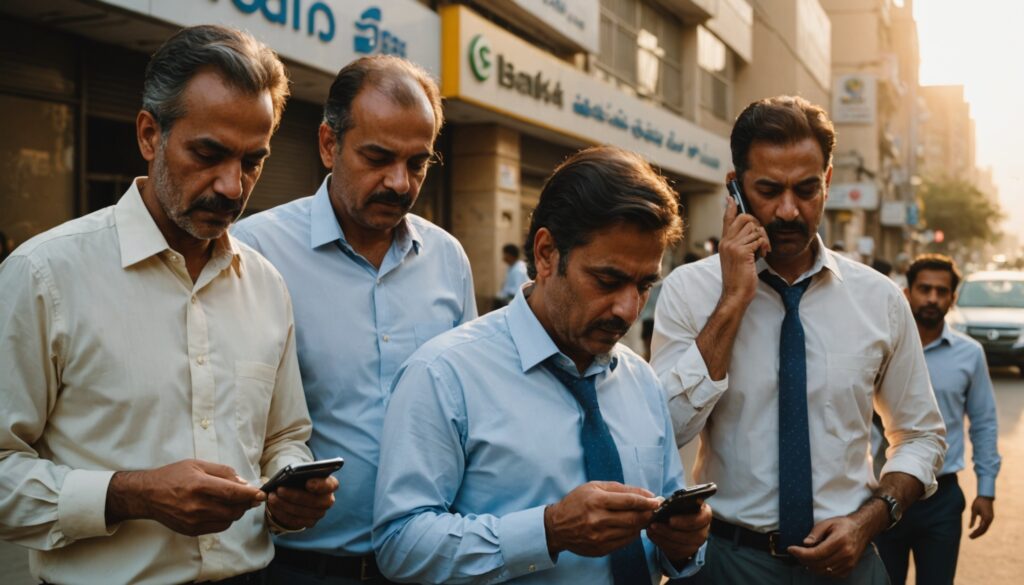

The rupee just hit rock bottom. And honestly, it’s getting worse before it gets better.
Pakistan’s currency plunged to 278 against the US dollar this week—a gut punch for anyone who remembers the days when it was 160. The tailspin comes as International Monetary Fund talks have effectively stalled, leaving policymakers scrambling and citizens worried. Banks are tightening credit. Inflation is biting. The clock is ticking.
Why the rupee keeps tanking
Here’s the simple version: Pakistan spent more dollars than it earned. Import bills exploded. Foreign reserves dried up. Trust evaporated. Now every Pakistani wanting to buy dollars or send money abroad faces brutal exchange rates. “The rupee weakness reflects structural imbalances in the economy,” says Fahad Rauf, an economist at Avancé consulting. “Without IMF backing, we’re flying blind.”
The government promised reform—subsidy cuts, tax hikes, privatization. But every announcement triggers backlash. Politicians hesitate. Investors get nervous. The rupee slides further. It’s a vicious cycle nobody’s breaking right now.
What makes it worse? Pakistan’s import-dependent economy means every devaluation pumps prices up instantly. Medicines cost more. Fuel costs more. Bread costs more. The middle class feels it first. The poor feel it hardest.
The IMF wants structural change, not band-aids. But asking a government to slash subsidies when elections loom is like asking someone to jump off a cliff for their own good. They know it’s necessary. They’re terrified to do it.
For Pakistan, this is a reckoning moment. Either the government makes hard choices now—cutting spending, raising taxes, removing subsidies—or watch the rupee sink further and inflation explode like fireworks. The IMF deal isn’t just about saving the currency. It’s about saving what’s left of economic stability before the whole thing crumbles.