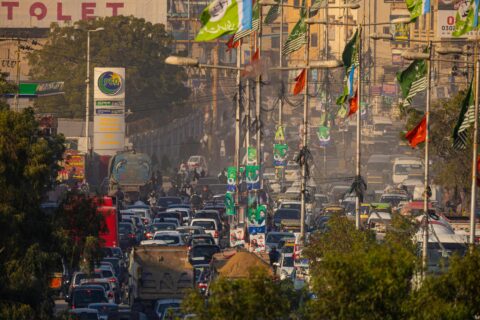


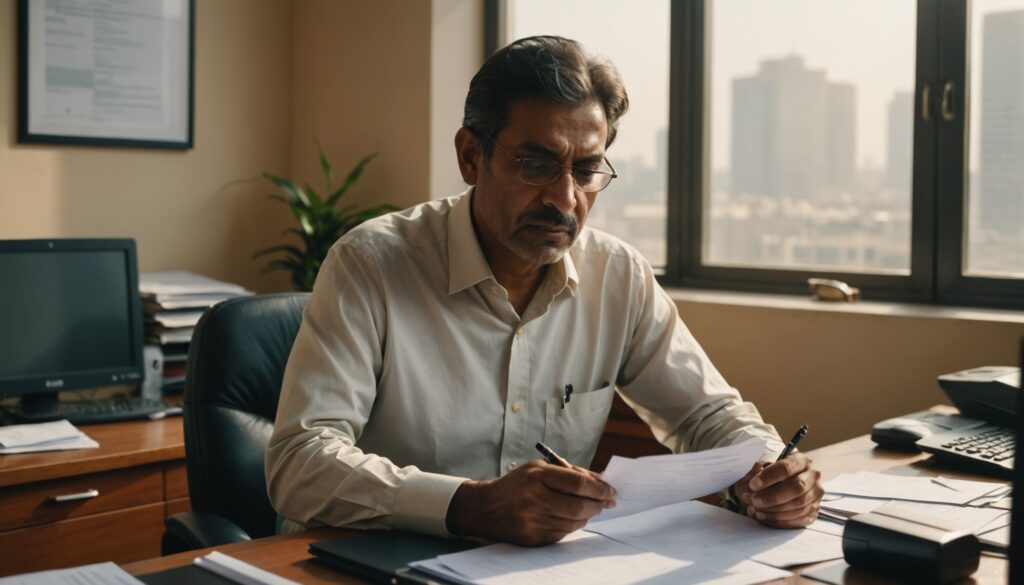

Pakistan just dropped a tax bomb that will sting millions of salaried workers.
The government unveiled new taxation proposals this week targeting the middle class — the exact group already squeezed by inflation and job losses. Salaried professionals, small business owners, and freelancers are now in the crosshairs. The move aims to plug a massive budget hole, but it risks pushing more people into informal economy.
Here’s what changed: tax brackets shifted lower. That means your monthly paycheck gets taxed faster than before. Some professionals will pay 15-20% more in annual taxes. Property transactions face steeper levies too. The government needs cash badly — IMF bailout conditions are strict, and revenue collection has been pathetic.
The Middle Class Revolt Begins
“This will push more people to avoid taxes entirely,” says Dr. Fahad Khan, economist at Lahore Business School. “When rates jump suddenly, compliance drops. The government gets less revenue, not more.” He’s probably right. Pakistan’s tax-to-GDP ratio is already among Asia’s lowest at 12%. Hammering the visible economy while the super-rich hide wealth offshore feels backwards.
Small business owners are furious. They’re already bleeding from high utility bills and poor sales. Freelancers earning through international platforms now face new withholding taxes. Even your GP or dentist will pay more. The government says it’s about fairness — everyone should contribute. Fair point. But timing matters.
The brutal truth: Pakistan’s economy is running on fumes. Growth is slow. Unemployment is rising. The rupee keeps weakening. The government had to pick a pocket, and the middle class is the easiest target. The rich disappear into shell companies and agricultural exemptions. The poor barely earn enough to tax. That leaves us — the salaried professionals and small earners.
For Pakistan, this is a double-edged sword. Short-term, tax revenue might inch up slightly. Long-term, you’re looking at brain drain acceleration and more informal economy. Talented Pakistanis will keep leaving. Those staying will keep two sets of books. The government’s desperate moves might actually shrink the formal economy it’s trying to save.