



The Numbers That Matter
When a government announces record growth, the first question should never be growth for whom. The 2026 budget released in Islamabad tells a specific story about where money actually flows, and it is not the story of broad prosperity. Someone wins when budgets are written, and someone else pays the cost.
The headline figures sound reassuring. Allocations have increased across multiple sectors, spending priorities have shifted toward infrastructure and social programs. But allocations are one thing; execution and distribution are entirely different. Look at the budget as a map of power, not as a promise.
Where the Budget 2026 Money Goes
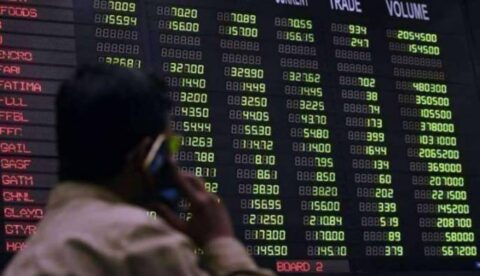
Defense and debt servicing remain the twin anchors of Pakistan’s fiscal structure, absorbing funds that could theoretically move elsewhere. Infrastructure spending has been emphasized in this cycle, which sounds progressive until you ask which contractors get the bids and which cities see the roads first. A worker in Sialkot reading this on their lunch break knows that announcements and arrival are not the same thing. The budget shows stated priorities; the KSE-100 and real estate markets show revealed priorities.
Tax measures matter here because they determine who funds what comes next. When revenue targets are set, they come from somewhere—wages, sales, imports, corporate profits. The mix tells you which group absorbs the cost of growth. Check TheCapital.pk for detailed breakdowns of who paid last year and who is expected to pay this year. The difference between those two numbers is the real budget story.
Social spending increases matter only if money actually reaches hospitals, schools, and welfare offices instead of getting trapped in procurement delays or disappearing into parallel systems.
The practical question for ordinary Pakistanis is simple: Will electricity bills move, or will they stay where they are now? Will school enrollment increase because classrooms actually get built, or will the budget line item exist while children stay home? Will a small business owner in Faisalabad see lower compliance costs, or will the regulatory machinery absorb whatever relief was announced? The budget allocates; reality distributes. Those are two different things, and nine years of reporting suggests they often diverge sharply.
Growth looks good on paper until you check whether your salary grew, your child’s school improved, or your family’s medical costs fell. That is the budget that matters.