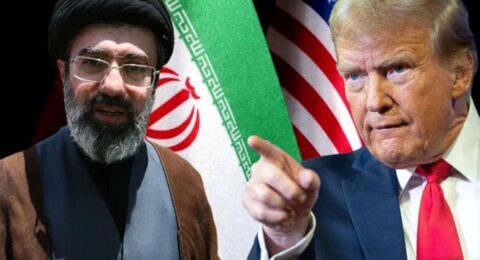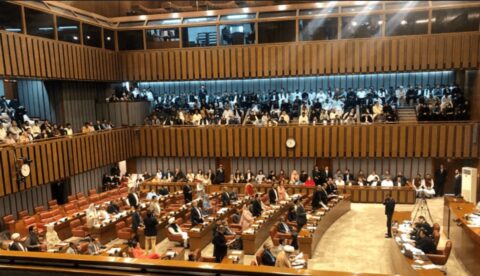


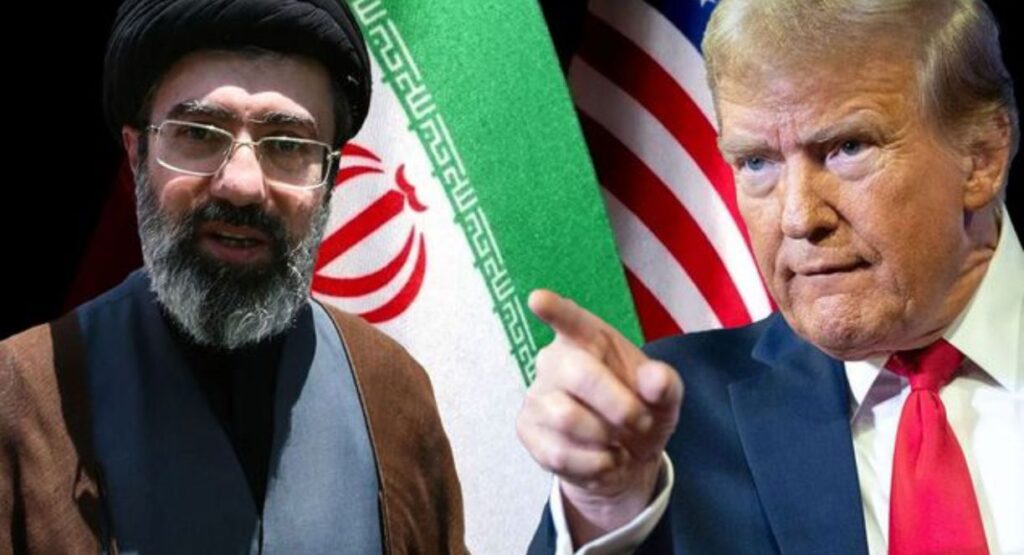

Donald Trump signed a ceasefire agreement with Iran on Wednesday night at the Palace of Versailles in France. The deal is now in effect. What started as a months-long conflict between the US, Iran, and Israel has moved into a new phase—one built on paper commitments and a ticking clock.
The Memorandum of Understanding runs 14 points long. It promises to stop fighting on “all fronts,” commits $300 billion toward Iran’s reconstruction, and pledges that Iran will never develop nuclear weapons. But the document is thin on details where it matters most. The real negotiating work hasn’t started yet. Both sides have 60 days to hammer out a final deal—or walk away.
Trump formally signed the agreement at a post-G7 dinner, with Iranian President Masoud Pezeshkian also signing. The White House confirmed the signatures to the BBC. Earlier reports suggested a formal ceremony would happen in Geneva later this week, but that’s now unclear.
Where the agreement gets specific
Point one handles what everyone can see on a map: military operations stop immediately and permanently. This includes Lebanon, where Israeli strikes against Hezbollah have been ongoing. Neither side initiates attacks. Neither side threatens the other. Both nations commit to respecting Lebanon’s territorial integrity and sovereignty.
Iran’s Foreign Ministry was blunt about the stakes. If Israel continues military operations in Lebanon, it counts as a violation—and Iran said it will take “necessary measures.” How Israel responds to that language remains unanswered. Trump’s own administration worried that Israeli operations against Hezbollah could sink the whole agreement. Now the agreement itself warns against it.
The US will begin removing its naval blockade once the memorandum takes effect. That’s one concrete action the Americans committed to—reversing economic pressure on Tehran.
Point two asks both countries to stop interfering in each other’s internal affairs. They’ll respect sovereignty and territorial integrity on paper. But Trump spent this year telling Iranian protesters that “help is on the way” during street demonstrations against their government. That promise now sits in direct conflict with what he just signed. How Washington squares that circle remains to be seen.
The 60-day scramble
Both sides agreed to negotiate a final deal within 60 days. The clock started when they signed. If they need more time, both have to agree to extend it. If they don’t—if talks stall or demands shift—the ceasefire stays in place, but the deal lapses.
The $300 billion reconstruction fund sounds significant. But here’s what matters: the US isn’t required to contribute anything. The fund exists only if Iran complies with the agreement’s terms. So it’s not a guarantee. It’s a carrot. Iran gets the money if it behaves.
Trump called the whole arrangement “performance-based.” That means the benefits only flow if compliance follows. Two nations that’ve been adversaries for 40 years are now betting they can trust each other to keep conditions met for two months while lawyers and diplomats negotiate the hard parts—the nuclear question, sanctions, what happens to regional proxies, whether Lebanon truly stays out of the fighting.
The ceasefire is signed. The text exists. But what happens on day 31 of those 60 days—when someone claims the other side violated a clause—that’s still unwritten.