

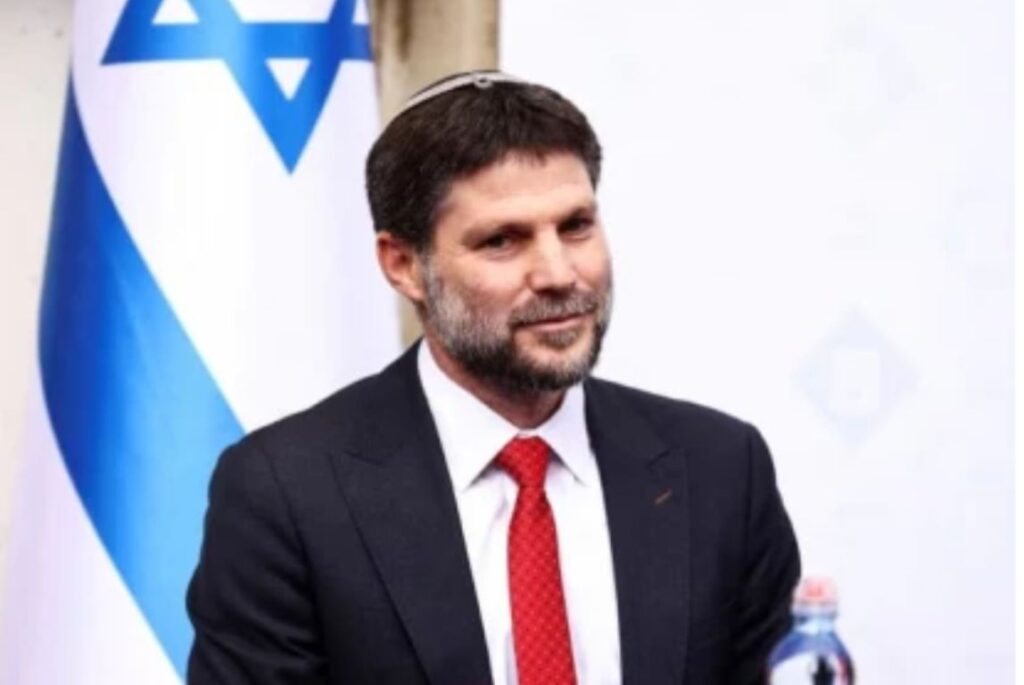

Israeli Finance Minister Bezalel Smotrich didn’t waste words on Monday. The US-Iran agreement reached under Pakistani mediation is, in his view, “bad for Israel and the entire free world.” He said this on X, the social media platform. But Smotrich’s anger masks a deeper problem: Israel feels sidelined by a deal it couldn’t stop.
President Donald Trump announced the agreement on Sunday. It halts war on all fronts, reopens the Strait of Hormuz, and removes the US naval blockade on Iran. The terms sound clean. Yet within hours, Israeli warplanes were still dropping bombs on southern Lebanon. Israeli attacks have killed over 3,700 people, wounded nearly 11,500, and displaced over 1.5 million since March 2. The ceasefire announcement didn’t change that calculus.
Smotrich promised to keep pushing. Israel will “continue the campaign to topple the regime ourselves and in creative ways,” he wrote. He also vowed to give the Israeli army “full freedom of action” in Lebanon, meaning the bombing campaign won’t stop just because Trump shook hands with Tehran.
What Israeli analysts actually think
Israeli political analysts are harsher than the finance minister. They’re calling the deal a “political victory” for Tehran. Columnists writing in Israel Hayom and Maariv before the official announcement flagged the same holes. The agreement doesn’t address Iran’s ballistic missile program or its funding of regional proxy groups.
Ben-Dror Yemini, writing in Israel Hayom, made the point plainly. Iran walks away with international recognition and basically no restrictions on the weapons systems that scare Tel Aviv most. Hezbollah in Lebanon, Houthi fighters in Yemen, Iraqi militias, Hamas in Gaza—all of them stay funded. None of this changes.
“Hamas was not defeated after a war that lasted two years, and Iran was not defeated after 40 days of bombing,” Yemini wrote. His point: Israel’s military wins didn’t translate into political wins. The damage to Hamas is real enough. But Tehran comes out of this stronger.
Netanyahu’s gamble didn’t pay off
Ben Caspit, political analyst for Maariv, went further. He said Prime Minister Benjamin Netanyahu made Israel “hostage” to Trump. The coordination between Washington and Jerusalem looked good on paper—joint strikes, tactical moves, shared intelligence. But strategically? It failed. Israel achieved military victories against Hamas, Hezbollah, and Iran but suffered a serious political defeat.
Caspit’s words cut to the real tension. Israel spent two years fighting in Gaza and Lebanon. Thousands died. And now the US makes peace with the country that funds both wars. Netanyahu can’t say no to Trump. Israel doesn’t have that leverage. So it swallows a deal it hates and keeps bombing anyway, hoping the ceasefire frays.
The question for Israeli leadership now is simple. Can military pressure on the ground change what diplomacy just handed Iran? Or does this agreement, for all its flaws, actually hold?