


The arithmetic looked grim before the tournament began. More teams. More matches. Predictable blowouts. That was the anxiety floating around in June—the expanded 48-team format would clog the schedule with lopsided contests that nobody wanted to watch.
Seven days in, that concern looks premature. Cape Verde held Spain to a draw in one of the World Cup’s biggest surprises, while Brazil and Uruguay both dropped points to teams ranked significantly below them. The script the pessimists had written doesn’t match what’s happening on the pitch.
This matters because the World Cup has always sold itself on narrative unpredictability within a framework of quality. The format change wasn’t about dumbing down the competition. It was about expanding the field enough that talent could emerge from unexpected places without diluting what made the tournament work.
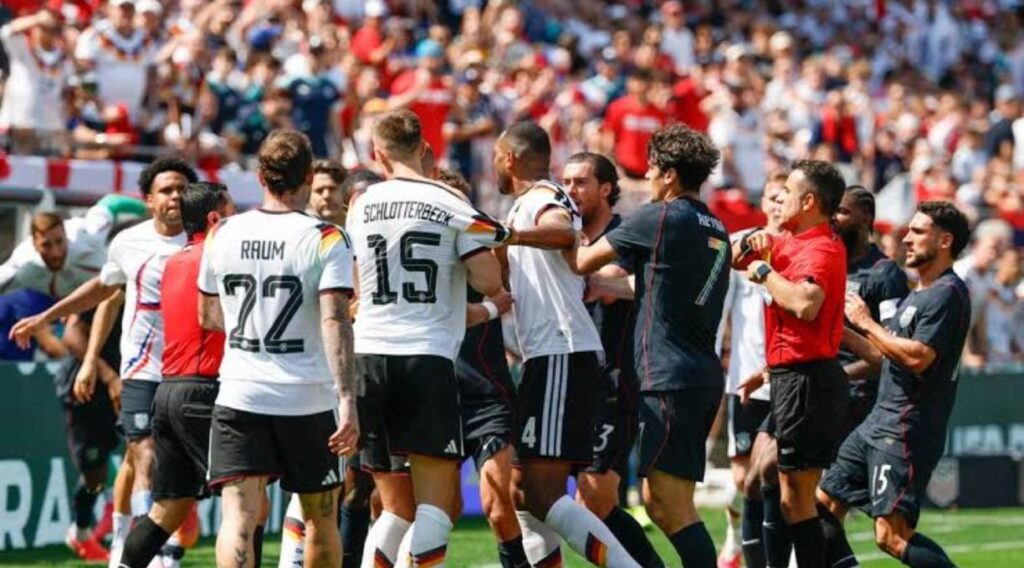
Look past the headlines. Switzerland couldn’t beat a bottom-ranked side. Germany conceded to Curacao. Austria faced sustained pressure from Jordan. Australia and South Korea collected wins. The Asian Football Confederation teams—historically outmatched at this stage—played with structure and ambition instead of showing up to lose respectably.
One caveat demands airing: it’s still the group stage. Only 16 matches of 104 have finished. The math works in favor of the favorites—32 of 48 teams advance, which means weaker nations can absorb a loss and still move forward. The real sorting happens later.
Host Nations Finding Their Rhythm Early
Three countries are staging this tournament for the first time simultaneously. The United States opened with a clinical 4-1 demolition of Paraguay that showed genuine attacking depth. Mexico kicked off with victory over South Africa, while Canada recorded their first-ever World Cup point.
Home-field advantage usually matters most when the host nation actually performs. Nobody cares about infrastructure and stadium design if the team exits early. The Americans looked sharp enough in their opener to suggest they can sustain momentum, which means the broader American audience—still skeptical about soccer as a serious sport—might actually pay attention this summer.
Folarin Balogun and Christian Pulisic played like they understood the moment. Whether that consistency holds depends on facing tougher opposition. The NBA finals wrapped up recently, which clears space in the American sports calendar. A few more dominant performances like Paraguay and you’ll see the narrative shift from “can soccer work here?” to something more invested.
The tournament’s first week won’t determine champions. It has, however, shown that expanding to 48 teams wasn’t a desperate cash grab that would wreck competitive integrity. Teams came ready. The surprises feel earned, not handed out. Whether the favorites reassert control in the knockout phase remains the real question.