



June 11, 2026. Pakistan’s growth numbers are in, and they are not what Islamabad promised. The Economic Survey landed with the thud it always does—targets unmet, projections revised downward, and the International Monetary Fund still waiting across the table for something that looks like fiscal discipline. The GDP growth target has been missed. That is the headline. Everything else is detail.
This matters because Pakistan has been here before. The cycle is familiar to anyone watching from Karachi to Peshawar: announce ambitious growth numbers, stumble halfway through the fiscal year, then negotiate harder terms with the IMF to stay afloat. The talks continue even as this survey was published, which tells you exactly how much confidence international lenders have in the current trajectory. A currency in freefall does not inspire optimism, and neither does a government that watches its own projections collapse month after month.
What the Numbers Actually Say
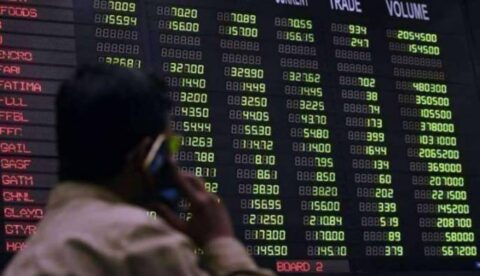
The Economic Survey does not exist in a vacuum—it sits alongside real-world pressure from the State Bank, commercial banks tightening credit, and businesses in industrial hubs like Sialkot reducing orders because they cannot forecast six months out anymore. Importers are holding cash. Exporters are cautious. The private sector smells weakness, and weakness spreads fast in a market economy. Inflation has been eating into consumer purchasing power for months, and when ordinary people stop buying, GDP growth does not fix itself by issuing a new survey. You can read the full fiscal picture on TheCapital.pk, but the core problem is structural: revenue collection lags, spending discipline fails, and the external account stays fragile. IMF negotiations remain active because Pakistan cannot afford to lose that lifeline, no matter how humbling the conditions become.
What This Means for Pakistan’s Economy Right Now
For the software engineer in Lahore negotiating a job offer, this means salary discussions are happening in a climate of uncertainty—local companies may not hire, so she takes the work from abroad, which drains rupees anyway. For the manufacturer in Faisalabad hoping to expand his textile unit, this means banks will not extend credit on terms he can afford, so expansion gets postponed indefinitely. For the middle-class family in Rawalpindi, electricity and gas bills are climbing sharply, grocery prices refuse to drop, and the buying power they had two years ago simply does not exist anymore.
The gap between what Islamabad announces and what happens on the ground has become too wide to ignore. Growth targets are academic exercises if they do not translate into jobs, lower prices, or stable currency. They do not.