

The Deal Everyone’s Watching
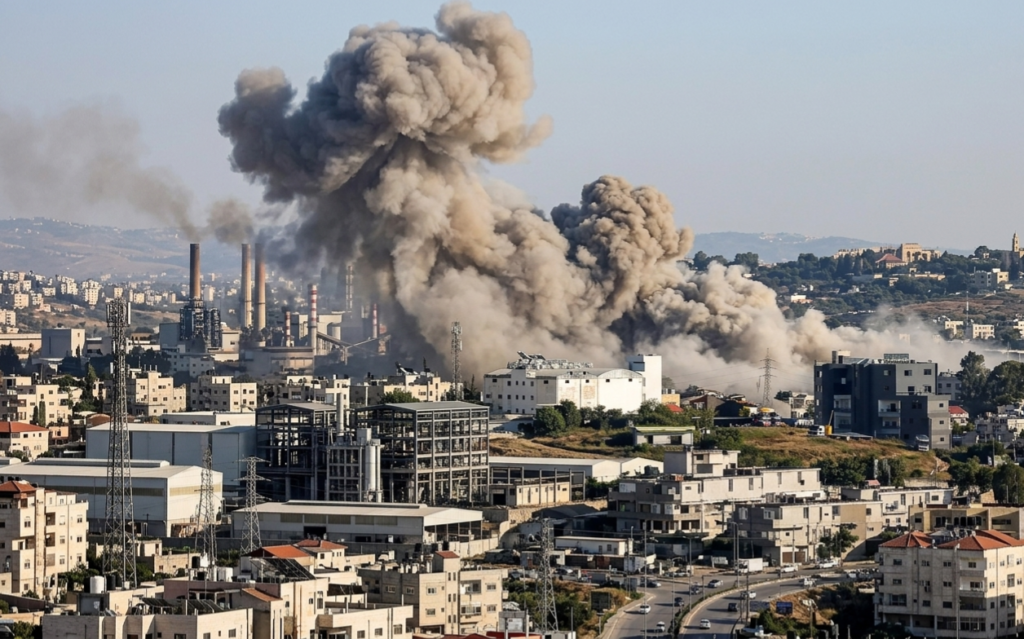
War nearly came home to Pakistan in February. When US and Israeli strikes killed Iran’s Supreme Leader Ayatollah Ali Khamenei, the region held its breath. Multan’s traders watched oil prices spike. Islamabad’s foreign ministry worked the phones hard. But here’s what happened next: instead of spiraling into chaos, something quieter began—negotiation.
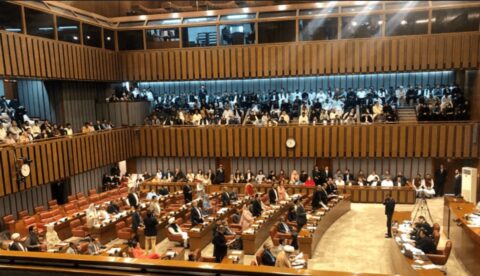
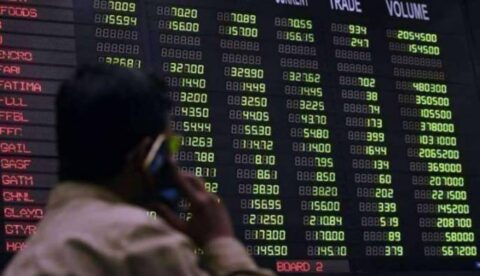
Pakistan didn’t just sit on the sidelines. The country hosted the first face-to-face talks between the US and Iran in 47 years this April, according to reports. No breakthrough came that round, but no breakdown either. That matters. When two sides can sit in the same room without walking out, it means someone believes a deal is possible. Oil markets in Karachi felt it immediately. Energy traders started pricing in hope instead of dread.
The ceasefire that took hold in mid-April started as a two-week arrangement.
Why Pakistan Can’t Look Away
And it’s still there—extended indefinitely. That’s the real story hiding in the headlines. When two powers agree to stop fighting indefinitely, neither one thinks a quick return to war looks attractive anymore. Oil prices have already begun falling as traders bet on stability. Our State Bank watching Karachi’s currency markets understands this better than headlines suggest. Energy costs matter directly to your electricity bill, to whether factories in Sialkot can afford to keep textile looms spinning, to whether fertiliser plants near Multan stay operational.
The sticking point now is control of the Strait of Hormuz and what happens to Lebanon’s Hezbollah. Iran says no final decision has been made on either. That’s diplomatic language for: they’re still negotiating hard.
What you need to know from TheCapital.pk and market analysts is simple: every day this ceasefire holds, the chances of a real agreement go up fractionally.
What a Deal Means for Your Wallet
Let’s be concrete. Pakistan imports petroleum, and petroleum costs rise when war fears rise. A stable Iran-US arrangement doesn’t mean cheap oil forever. It means predictability. It means your petrol pump doesn’t have surprise shocks. It means the power utility can plan ahead instead of rationing. It means businesses in Faisalabad can quote prices without hedging against sudden energy collapses. When Germany worries that Middle East conflict is dragging down European growth, that ripple hits Pakistan’s export orders eventually.
Trump claims a deal is close. Iran’s new Supreme Leader Mojtaba Khamenei has replaced his assassinated father, and the succession appears stable enough that he can negotiate. The fact that negotiations are happening at all—that Pakistan is hosting them—says something about where regional confidence sits right now.
Watch this space closely because what gets decided in those rooms touches your life directly.