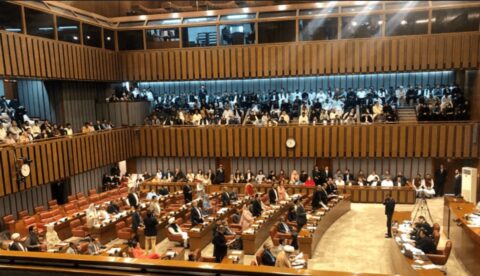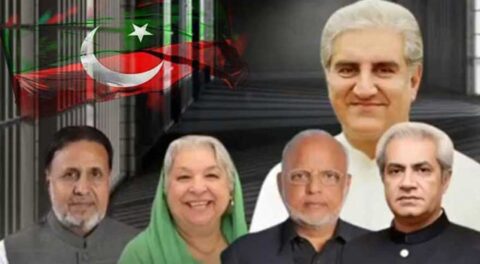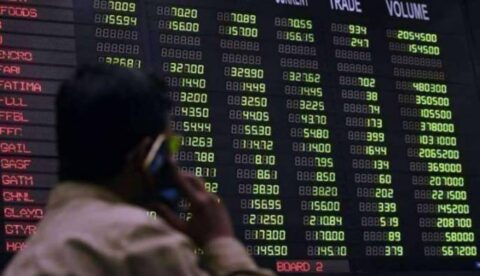


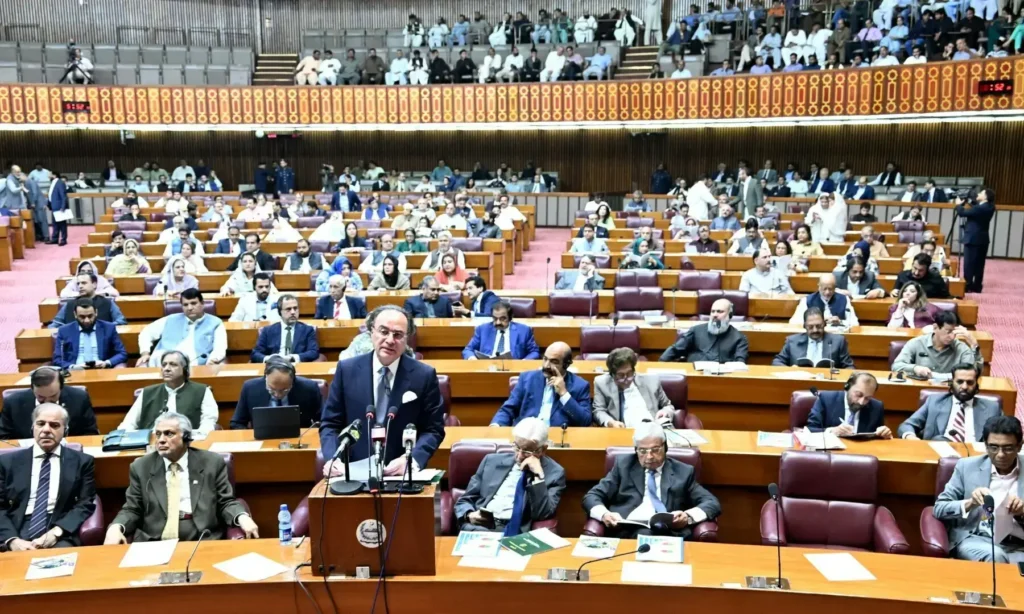

The budget did not arrive on time. Finance Minister Muhammad Aurangzeb was supposed to present the FY26-27 financial plan at 3pm in the National Assembly on June 12, but the session stalled. When it finally happened, the numbers told a story Pakistan knows too well: squeeze the middle, court the wealthy, hope no one notices.
The government is pushing Rs660 billion to Rs700 billion in fresh tax measures. That is real money extracted from real paychecks. But here is the twist—and there is always a twist in Islamabad. Salaried workers earning between Rs230,000 and Rs341,000 monthly get targeted relief, while those making Rs100,000 to Rs183,000 get nothing. The message is clear: if you earn too little, you do not matter; if you earn too much to hide, you pay.
Where the Real Pressure Points Lie
Prime Minister Shehbaz Sharif called the budget prepared with “hard work and sincerity.” That language means the money had to come from somewhere, and the government found it. A “Fixed Tax Asaan Scheme” now targets small traders and shopkeepers with annual turnovers up to Rs200 million—the backbone economy of cities like Karachi and Lahore. A “faceless” tax system promises digital collection with no human contact between officials and taxpayers. Sounds modern. Sounds fair. Sounds like it will work until it does not, and then no one can explain why your shop is flagged.
The coalition government froze development budgets across provinces, cutting more than Rs900 billion in spending. The National Economic Council set the federal and provincial development budget at Rs3.218 trillion for the year ahead. You can read analysis on TheCapital.pk, but the arithmetic is brutal: provinces lose today so the Centre can spend on “strategic needs” tomorrow—a euphemism that has never ended well.
Budget 2026-27 and what it means on the ground
For the salaried class in Karachi earning a decent salary, there is relief. For the shopkeeper in a Sialkot textile market or the small manufacturer trying to survive without formal banking, the net tightens. Agricultural incentives and housing sector support sound good in press releases but require credit lines, documentation, and trust in institutions that have earned none of it. The overseas Pakistani remittance cap relaxation is window dressing—money that should have been free to move always gets trapped between announcements and implementation. This budget is not about building Pakistan. It is about surviving the next eighteen months without the IMF returning, and hoping the political wind does not shift before the next election.
Hard numbers disguise soft realities. The budget is a budget is a budget. What matters is who pays and who does not.