

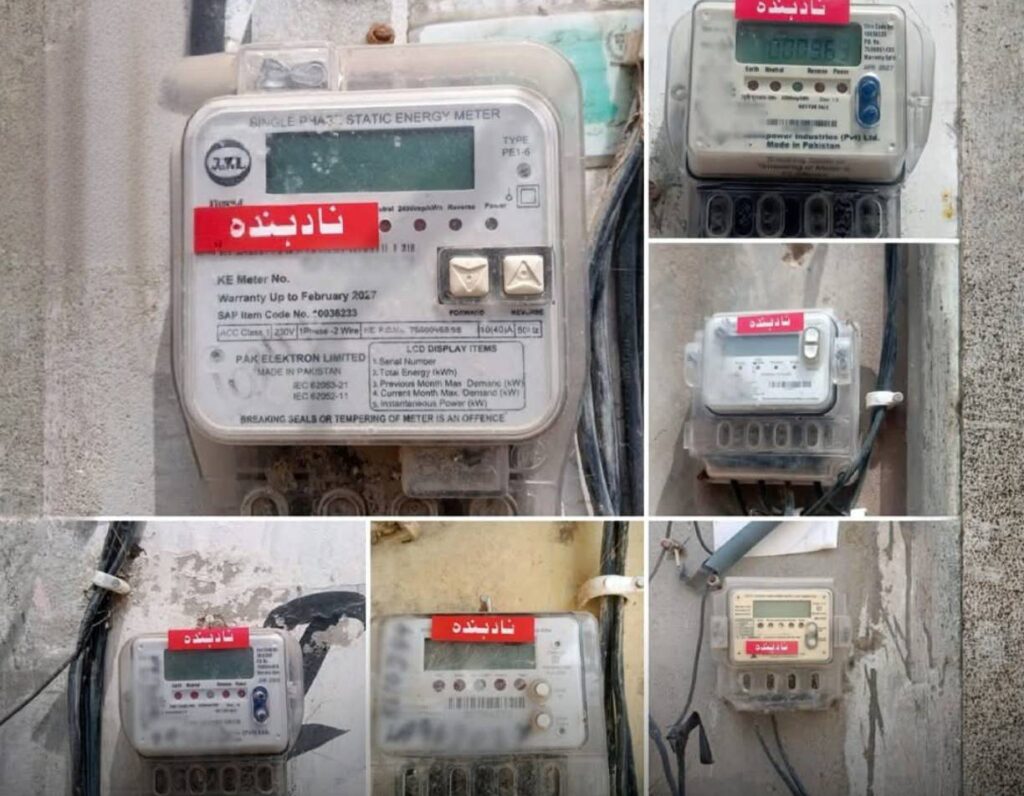

The strategy is simple, if uncomfortable. Utility authorities across Pakistan have started identifying and publicly naming consumers who refuse to pay their electricity and gas bills. It’s a shift from quiet notices and disconnections to something more visible—something that reaches the street, the neighborhood, the tea shop gossip.
For households that pay on time every month, this move feels overdue. These are the people who sit down with their bills, calculate the amount, and arrange payment before the deadline passes. They watch neighbors use electricity without paying and feel the weight of that unfairness settle into their monthly budget.
“Why should we carry the load for someone else?” is the question you hear in Multan’s middle-class neighborhoods these days. In Sadar, Cantonment, and the newer colonies, paying consumers argue that defaulters directly harm local development projects. Money that should fund infrastructure improvements, street maintenance, and neighborhood upgrades instead goes toward chasing unpaid bills and recovering losses.
The ripple effect isn’t theoretical. When collection rates drop, distribution companies face cash flow problems. Projects get delayed. Maintenance suffers. And the people paying their bills feel they’re subsidizing those who aren’t.
How Public Naming Changes the Game
Shame is an old tool. In small cities like Multan, it works differently than in Karachi or Lahore. Everyone knows everyone. A list of defaulters posted at the local WAPDA office or circulated through neighborhood groups carries weight that a letter in the mail never did.
The mechanism is straightforward enough. Authorities identify chronic non-payers and make those names visible to the community. Some defend it as accountability. Others see it as necessary pressure when gentler methods have failed.
But there’s a category of defaulters that this approach doesn’t clearly address: people who can’t pay, not people who won’t. A widow living on a fixed pension. A laborer whose work dried up during lockdowns. A family in an old cantonment house with a faulty meter that records inflated usage. The public naming strategy treats all non-payment the same way.
Among paying consumers, support for enforcement is nearly universal. They see it as long overdue. Yet the question remains whether public identification actually recovers money or simply pushes some accounts further underground, into informal settlements where authorities have less reach anyway.
The collection drive is happening. Names are being identified. How many eventually settle their bills, and how many simply vanish into the system’s blind spots—that data isn’t public yet.