
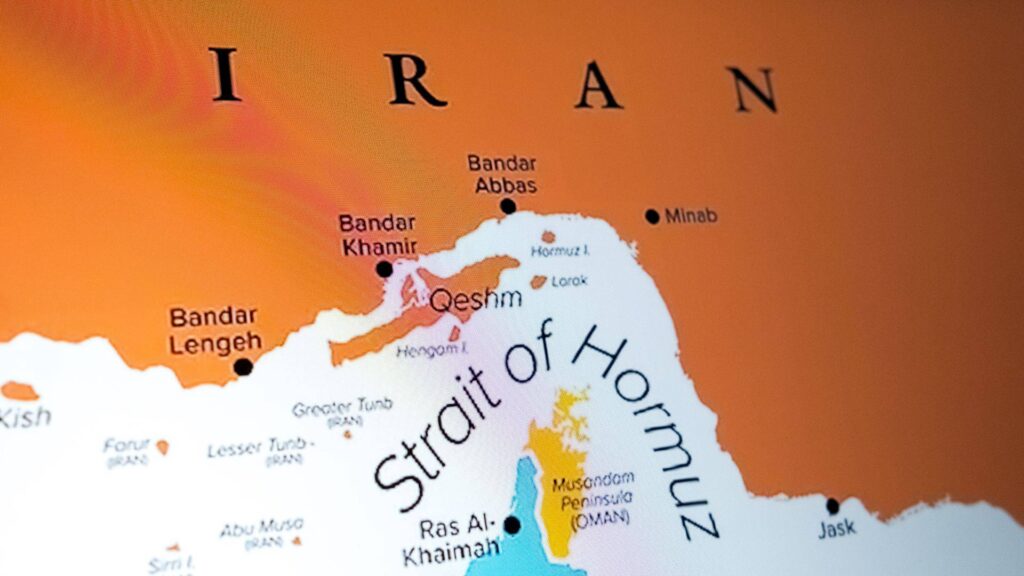

Donald Trump announced Monday that the United States and Iran have already signed a peace deal to end their four-month war. Speaking alongside French President Emmanuel Macron at the G7 summit in France, Trump said the Strait of Hormuz will be completely opened for shipping traffic on Friday, June 19.
“The deal’s all signed,” Trump told reporters. He’s promised to release the text of the Memorandum of Understanding sometime after Friday, calling it “a very powerful document.”
The MoU was signed by Trump, Vice President JD Vance, and Iranian Parliament Speaker Mohammad Bagher Qalibaf. A signing ceremony will take place on Friday, according to a US official who spoke on condition of anonymity.
Oil Already Moving Out
Ships carrying oil have begun leaving the Strait of Hormuz even before Friday’s formal opening. Trump posted on Truth Social that vessels are moving out along what he called the Southern “Highway,” which he described as “totally safe, secure, and pristine.”
The US official said strait traffic will “ramp up slowly over time” rather than returning to normal within two weeks. Shipping volumes won’t jump overnight, but a significant increase is already underway. There are alternative shipping routes available beyond the main corridor, Trump added.
The Strait of Hormuz is one of the world’s most critical chokepoints for oil transport. A four-month blockade or slowdown hits global energy markets hard. Reopening it matters for Pakistan too—our economy depends on stable oil prices and uninterrupted energy supply lines.
Vance Claims Leverage, Direct Talks
Vice President JD Vance said in a CNBC interview that Washington held “significant leverage” in these negotiations. The shift, he argued, came from direct engagement instead of back-channel messaging. “We’re not passing messages through various back channels anymore,” Vance said. “We’re actually talking to them.”
Vance stated that Iran’s military has been destroyed, the Strait is now open, and its nuclear program has been dismantled. He framed these outcomes as wins the US achieved from a position of strength, not compromise.
On the nuclear question—the thorniest issue—Vance made clear the administration won’t make further concessions. “We don’t have to give the Iranians anything if they don’t make the commitments that we want long term on the nuclear program,” he said. Full-spectrum negotiations are planned for Friday.
The real test arrives Friday when both sides sit down. A signed MoU exists, but implementing it and settling the nuclear issue are different matters. Whether this deal holds or becomes another casualty of Iran-US tensions remains the question that matters most for global oil markets—and for countries like Pakistan watching energy costs.