
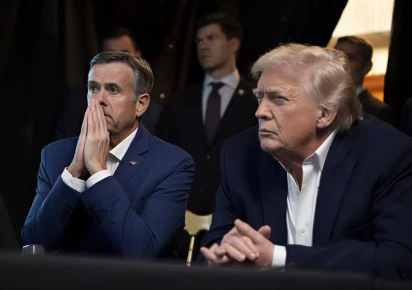

Inside the Trump administration, a deal with Iran is splitting the room. CIA Director John Ratcliffe has told President Trump he doesn’t trust Tehran’s promises on nuclear concessions. Two other senior officials—Secretary of State Marco Rubio and Defense Secretary Pete Hegseth—back him up. On the other side sit Vice President JD Vance and Trump’s envoys Steve Witkoff and Jared Kushner, pushing hard for the agreement.
This isn’t just a policy disagreement. The split runs through Trump’s closest circle. Meetings have gone tense. Ratcliffe and Rubio sat with the president and walked through classified intelligence showing something troubling: Iranian officials were discussing the agreement internally in ways that contradicted what they told mediators and Americans.
The concern isn’t theoretical. Ratcliffe argues the intelligence raises a real question—will Iran actually take the nuclear steps Washington wants? Will they keep their word? The CIA chief isn’t confident the answer is yes.
White House Defends the Deal
Trump’s team isn’t backing down. A White House official said the president listens to everyone but makes his own calls. They argue the agreement checks every box the administration has set. The deal stops Iran from getting nuclear weapons, forces them to give up highly enriched uranium, and prevents them from controlling global energy supplies.
Whether Trump buys that depends on what happens next. He’s heard from his intelligence people. He’s heard from his diplomats. The pressure from both sides is real. Ratcliffe has the president’s ear on national security matters. Kushner and Witkoff have his trust on deals. In a room where those two camps pull different ways, Trump gets the final say.
What Tehran’s Real Position Actually Is
The core problem is trust. US intelligence shows Iran talking one way to mediators and another way internally. That gap matters. It’s the difference between a deal that holds and one that collapses when the first crisis hits. Ratcliffe’s message is straightforward: don’t believe the cover story. Look at what they’re really saying when the cameras are off.
Rubio agrees. Both men have spent careers reading intelligence. They’re not doves. They’re saying the agreement as negotiated doesn’t match Tehran’s actual intentions. That’s a serious charge. It suggests mediators may have been played, or worse, that the deal was built on false assumptions about what Iran would actually do.
Trump knows the risk. Sign it and Iran breaks it—he looks weak. Reject it and his envoys lose credibility in future talks. The meetings continue. No decision yet. Ratcliffe and Rubio have the intelligence. The question is whether it’s enough to change Trump’s mind.