
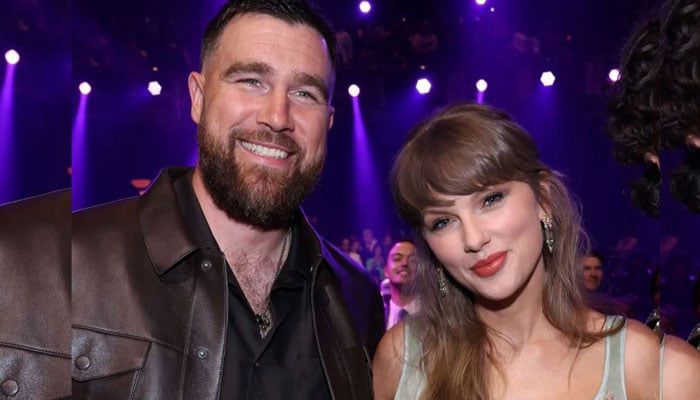

America is losing its mind over a wedding nobody will attend. Taylor Swift and Travis Kelce announced their engagement on Instagram. Since then—silence. Nobody knows the date. Nobody knows the venue. The only certainty is that it’s happening somewhere, at some point, in some location that even Madison Square Garden won’t confirm.
This isn’t incompetence. It’s strategy. Colin Cowie, a luxury wedding planner who’s handled ceremonies for major celebrities, calls it a “cloak-and-dagger” operation—and he’s not involved in this one. The logic is simple: everyone wants to know what it feels like to be a front-row attendee at this wedding. That desire creates leverage. That leverage is currency.
What makes this moment different from, say, Prince William’s 2011 royal wedding? The British opened their guest list to nearly 2,000 locals. Transparency. Democracy. Swift and Kelce are doing the opposite. They’re building walls around information. And the American public—which has trained itself to demand access to everything about everyone—is pressed against those walls, nose-first.
Why fans feel they own this story
Pop culture psychologist Rachel Kowert has a diagnosis for what’s happening: parasocial relationships. Swift’s fanbase didn’t just discover her as a musician. They grew up alongside her. Many feel she’s an old friend because her songwriting is biographical and her marketing strategy relies on fans hunting for hidden clues. She built intimacy at scale.
When Swift started attending Kansas City Chiefs games in 2023, the fervor wasn’t casual fandom—it was obsession. That kiss on the Super Bowl field after the Chiefs’ 2024 win? It lived in Instagram feeds for weeks, analyzed frame-by-frame. Kelce’s surprise appearance at the Eras Tour in London. Swift’s rare podcast interview on “New Heights.” Each moment was designed to feel exclusive, even though millions were watching.
The engagement announcement came via Instagram, which meant Swift’s fans heard it the same way strangers did. No exclusivity there. But the wedding itself? That’s the final frontier. Kowert notes something worth considering: the desire for Swift to have a happy ending might exceed public interest we’ve seen in other celebrity relationships.
The economics of controlled mystery
Here’s what shouldn’t be missed: the wedding has become an economic engine. Media outlets compete for scraps of information. Fashion brands speculate about guest attire. Venues leak rumors hoping to attract the couple’s attention. Hotels in rumored locations stock up on supplies.
Swift and Kelce aren’t hiding the wedding from malice. They’re controlling the narrative—and therefore the value. Every non-answer becomes a headline. Every unanswered question fuels another news cycle. By revealing nothing, they’ve made the anticipation itself the product.
Recent photographs of the pair around New York have only intensified speculation. Is it happening here? These photos alone generate engagement, clicks, subscriptions. The wedding doesn’t need to happen for the wedding to matter.
What’s left unanswered is whether this strategy survives actual execution. Can you keep a wedding this size secret?