

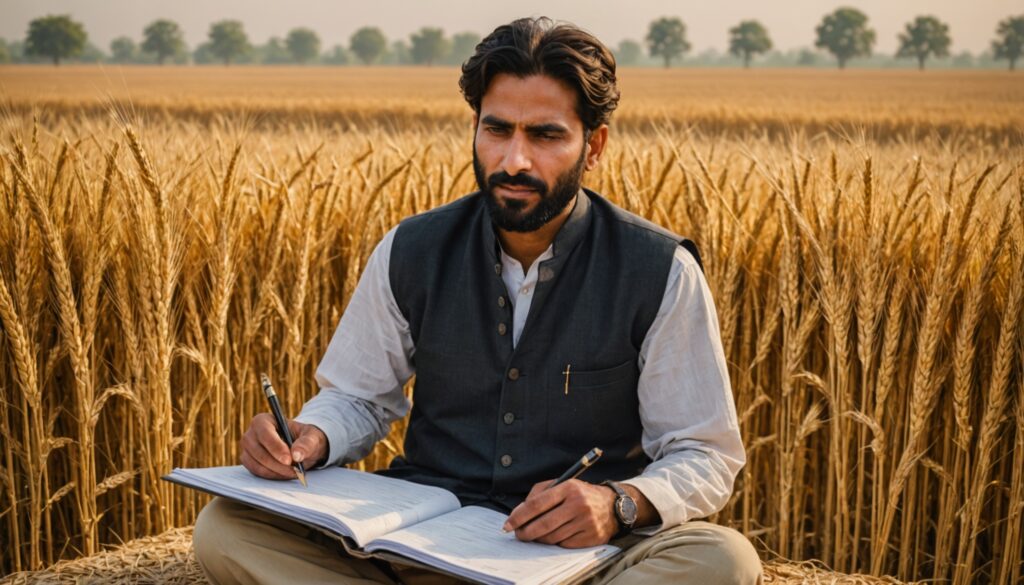

Ejaz Shafi walked into his office in Lahore on Tuesday morning with a folder full of numbers. As General Secretary of PTI’s Kisan Wing, he’d seen the Punjab government’s new agricultural budget, and he was angry—the kind of anger that doesn’t come from politics alone, but from knowing what these numbers mean for families in villages across the province.
The provincial government, he said, had chosen the worst possible moment to tighten the screws on farming communities. Rising electricity bills already drain profits. Fertilizer prices keep climbing. Diesel costs more than it did last year. And now this.
When a “Flat” Tax Hits Differently
Here’s what changed. The government moved from a tiered agricultural tax system to a flat Rs1,000 per acre charge on all landholdings over 12.5 acres. On paper, maybe it sounds simple. In reality, it’s a massive jump for most farmers.
Before this year, the scale looked like this: if you owned between 12.5 and 25 acres, you paid Rs300 per acre. Those with 25 to 50 acres paid Rs400. Landowners with more than 50 acres paid Rs500. Different rates for different sizes. It made a kind of sense—bigger holdings could handle bigger bills.
Not anymore. Everyone over 12.5 acres now faces the same Rs1,000 per acre burden. A farmer with 20 acres? That’s Rs20,000 in taxes. He used to pay Rs6,000. The math is brutal, and it doesn’t care about your harvest or your debts.
Shafi’s complaint wasn’t just about the numbers going up. It was about timing, about the stupidity of squeezing people who already can’t breathe.
The Real Casualties Are in the Middle
What bothers Shafi most—and what matters most to understand—is that this policy disproportionately crushes small and medium-sized farmers, not the big landowners. The guy running a corporate agricultural operation with hundreds of acres? He’s got accounting departments and government connections. He finds ways around these things.
The farmer with 15 acres who grows wheat and cotton to feed his family and pay his workers? He doesn’t have those options. This is his life. These are his numbers. He can’t negotiate his way out.
Shafi issued his statement on Tuesday because someone had to say it out loud. The budget was passed. The decision was made. And somewhere right now, a farmer is sitting at his kitchen table doing the math differently than he did last week, trying to figure out where Rs14,000 in new taxes is supposed to come from.
The question now isn’t whether this policy is unpopular. It’s whether anyone in government is actually listening to what the Kisan Wing is saying.