

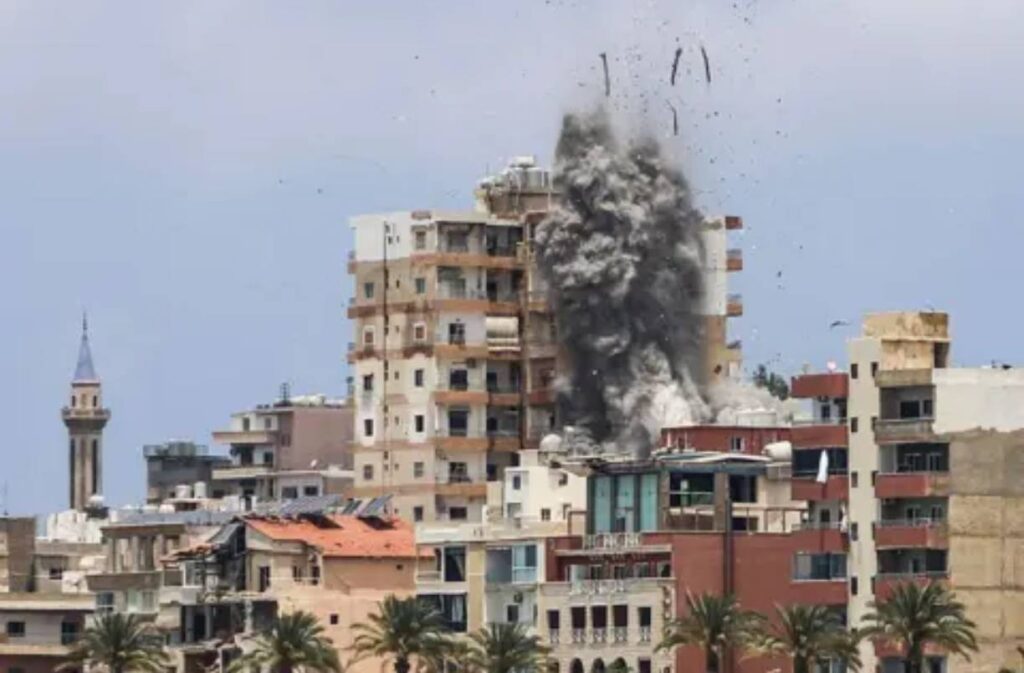

Benjamin Netanyahu is not listening to Donald Trump. Not yet, anyway. On Wednesday, Israeli fighter jets struck southern Lebanon again—hitting Nabatieh al-Fawqa and the outskirts of Kfar Tebnit—even though the US president had just spent Tuesday telling him to dial it back. Trump’s words at the G7 summit in France were direct: Israel has been fighting Hezbollah “too long and too many people are being killed.”
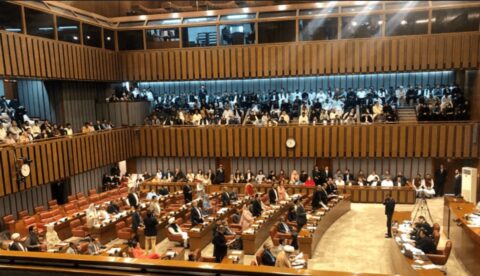
The timing is awkward. A ceasefire agreement between the United States and Iran is supposed to be signed Friday in Bürgenstock, Switzerland. Pakistan, acting as mediator, says the deal includes Lebanon. But each fresh Israeli attack makes that signing harder to pull off. An Israeli strike on Beirut earlier this week in response to Hezbollah rockets already put pressure on the negotiations. Now Netanyahu says his forces will stay in Lebanon “for as long as necessary.”
Trump’s Frustration Is Personal, Not Policy
The US president framed his complaint as personal disappointment. He said he has a “great relationship” with Netanyahu but “didn’t like that he did an attack.” Then Trump did what Trump does—he made it about himself. “Without the United States, there would be no Israel,” he said. “Without me, there would be no Israel because no other president was willing to do what I did.”
Trump plans to read the US-Iran agreement “word by word” at a news conference after Friday’s signing. He’s already claiming victory over Barack Obama’s 2015 nuclear deal, saying his version won’t require the US to pay billions in sanctions relief. Under the older agreement, Iran limited its nuclear activities and allowed inspections in exchange for unfrozen funds and eased sanctions. Trump says the new deal means Iran will “never have a nuclear weapon” and that the Strait of Hormuz will reopen “toll-free.”
Iran Warns Netanyahu Against Breaking the Deal Before It’s Signed
Tehran is watching closely. Iran’s Foreign Minister Abbas Araghchi said his government would view any Israeli attack on Lebanon or continued Israeli military presence there as a violation of the interim agreement. The deal itself—officially called a memorandum of understanding—hasn’t been publicly released yet. Both sides were supposed to sign it Friday, but nobody knows the fine print.
The Israeli military hasn’t commented on Wednesday’s strikes, but it has said before that it targets Hezbollah, the Iran-backed armed group. Both Israel and Hezbollah have carried out attacks against each other since the US-Iran agreement was announced Sunday night. That’s the pattern now: a ceasefire gets announced, Netanyahu orders strikes anyway, Iran issues warnings, and the deal hangs in the balance. The question is whether Trump can actually pressure Netanyahu to hold fire long enough for Friday’s ceremony to happen.