


The Democratic Republic of Congo didn’t come to Houston on Wednesday to participate. They came to prove something—and after 52 years away from the World Cup, they did exactly that. Yoane Wissa’s unmarked header in the first-half stoppage time earned them a 1-1 draw against Portugal, a result that tells us far more about tournament psychology than it does about either team’s ability to win matches.
This wasn’t a lucky escape for the African side. Congo appeared in their first World Cup since 1974, when the country was called Zaire. They absorbed Portuguese pressure without panic, adjusted their shape when Portugal dominated possession, and when the opportunity arrived, Wissa finished cleanly. What’s instructive here is what happened before—and what didn’t happen for Cristiano Ronaldo.
Where Ronaldo Lost the Thread
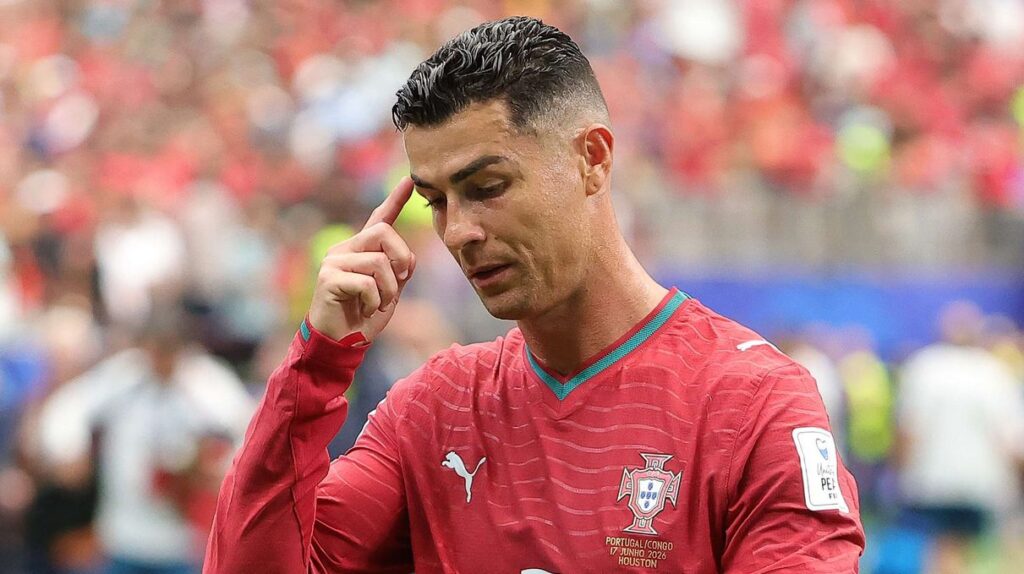
At 41 years old, Ronaldo was supposed to be the centerpiece of Portugal’s Group K campaign. Lionel Messi had just produced a hat-trick against Algeria on Tuesday. The narrative was written, the expectations were set. Then came Houston, where Ronaldo became almost invisible in stretches of play that mattered.
He had chances. Francisco Conceicao found him twice in the second half with precise passes, the kind that usually announce a goal. Both times Ronaldo’s attempts sailed wide. He failed to register even a single shot on target across 90 minutes. This isn’t about age or fitness—it’s about a player operating in a system where his team stopped creating the conditions that had always made him dangerous. Portugal’s midfield never found the rhythm needed to feed him in positions where his instincts could take over.
Coach Roberto Martinez was candid about the root problem, though he dressed it in diplomatic language. His players carried the weight of tournament expectations before they’d even played their first knockout match. Portugal wanted to win the World Cup, and that hunger suffocated their ability to dominate an opponent they were favored against.
Congo’s Preparation Defied the Odds
Consider what Congo’s coaching staff had to manage in the weeks leading to this match. An Ebola outbreak disrupted their preparation entirely. National football associations in richer federations would have called for a postponement, filed complaints, demanded sympathy. Congo simply arrived and played.
Wissa’s goal marked Congo’s first-ever World Cup goal in tournament history. Cedric Bakambu, the 35-year-old striker, came close to a second when his shot struck the near post. These weren’t flukes or defensive lapses—they were the product of organization and tactical discipline. Congo’s back line didn’t panic. Their midfield closed spaces when they needed to. Newcastle’s Wissa, operating in conditions far removed from the Premier League, executed a simple task with complete focus.
Portugal’s response was to try harder without thinking differently. Joao Cancelo’s overhead kick was disallowed for offside. Bernardo Silva, who’d just signed for Real Madrid as a free agent, was withdrawn at halftime. The side that began with confidence gradually became a team chasing the game they’d assumed they’d control.
What emerges from this result isn’t a moment of tournament shock. It’s an early indicator that Portugal’s path through Group K won’t follow the script their federation wrote before departure. Congo has already changed the calculation—the question now is whether Martinez can adjust his team’s mindset, or whether they’ll spend the next two matches fighting the pressure instead of their opponents.