

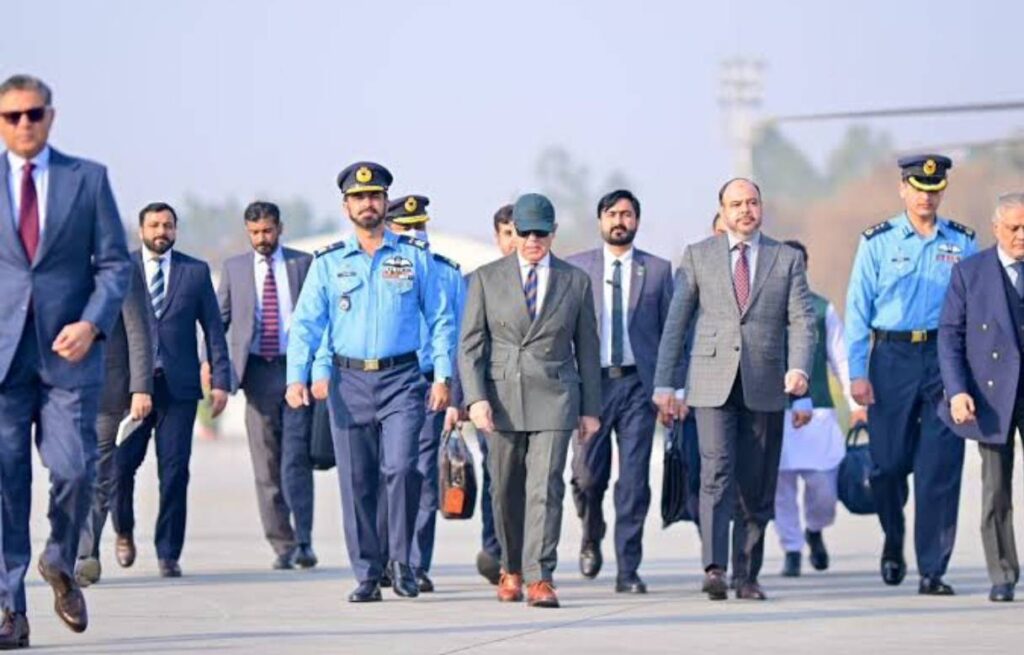

Pakistan’s decision-making circle is heading to the Swiss Alps tomorrow for a ceremony most countries would treat as background noise—except it’s not. Prime Minister Shehbaz Sharif, Deputy PM and Foreign Minister Ishaq Dar, Field Marshal Syed Asim Munir, and Information Minister Attaullah Tarar will witness the US-Iran peace agreement signing at Bürgenstock Resort. The fact that four of Islamabad’s most senior officials are boarding flights for this event suggests Pakistan sees strategic weight here, even if the official line stays measured.
The venue itself carries historical baggage. Bürgenstock Resort, perched 500 meters above Lake Lucerne on 148 acres, has hosted every major international negotiation since 1873. From Turkish-Greek Cypriot talks to the Ukraine peace summit last June, this property has become what diplomats call a safe house for difficult conversations. Pakistan’s Foreign Office delegation arrived first to handle logistics. The prime minister’s team will follow later today, which means tight coordination on messaging—who sits where, who speaks when, and critically, what Pakistan’s position looks like when cameras roll.
Why Bürgenstock Over Geneva?
The resort location raises a question worth asking. Geneva hosts most international peace machinery—it’s where the UN keeps its leverage, where precedent lives, where you can sign something and immediately have permanent observer status. Bürgenstock is different. It’s a resort. Access is restricted: no cars allowed, only a funicular cable car gets you in or out. That controlled environment matters when you need to keep delegations contained, prevent media leaks, and manage who physically enters the space. It’s a security choice dressed as a hospitality choice.
The complex spreads across 30 buildings with three separate hotels, 12 restaurants, and enough private space that different countries can negotiate in separate villas without their delegates crossing paths in corridors. The infrastructure supports negotiation theater—a conference center holds 600 guests, there’s a private cinema for after-hours positioning, and nine holes of golf if diplomats need to pretend this is casual. These aren’t accidents. They’re prerequisites.
What Pakistan’s Presence Actually Signals
Field Marshal Asim Munir’s attendance is the telling detail here. He’s not the foreign minister. He’s the institutional voice of Pakistan’s security establishment, which means the military wants itself seen as part of this moment. Sending both Dar and Munir together suggests this isn’t a symbolic nod—it’s a statement that whatever happens at Bürgenstock affects Pakistan’s strategic calculations in ways serious enough that civilian and military leadership attend together.
Pakistan has attended previous conferences at the resort, including Ukraine-related meetings last year. But those were follow-the-lead moments. A US-Iran agreement is different calculus. It reshapes the entire Persian Gulf security architecture, which directly touches Pakistan’s economic interests in maritime trade, its regional alliances, and the proxy tensions that bleed across its western border. Shehbaz wouldn’t personally fly to Switzerland for ceremonial applause.
Security arrangements are described as “tight,” which means either the threat level is genuine or someone wants it to look that way. Either reading tells you this ceremony matters beyond what press releases will claim. The real question: what deal did Pakistan negotiate before agreeing to show up?