

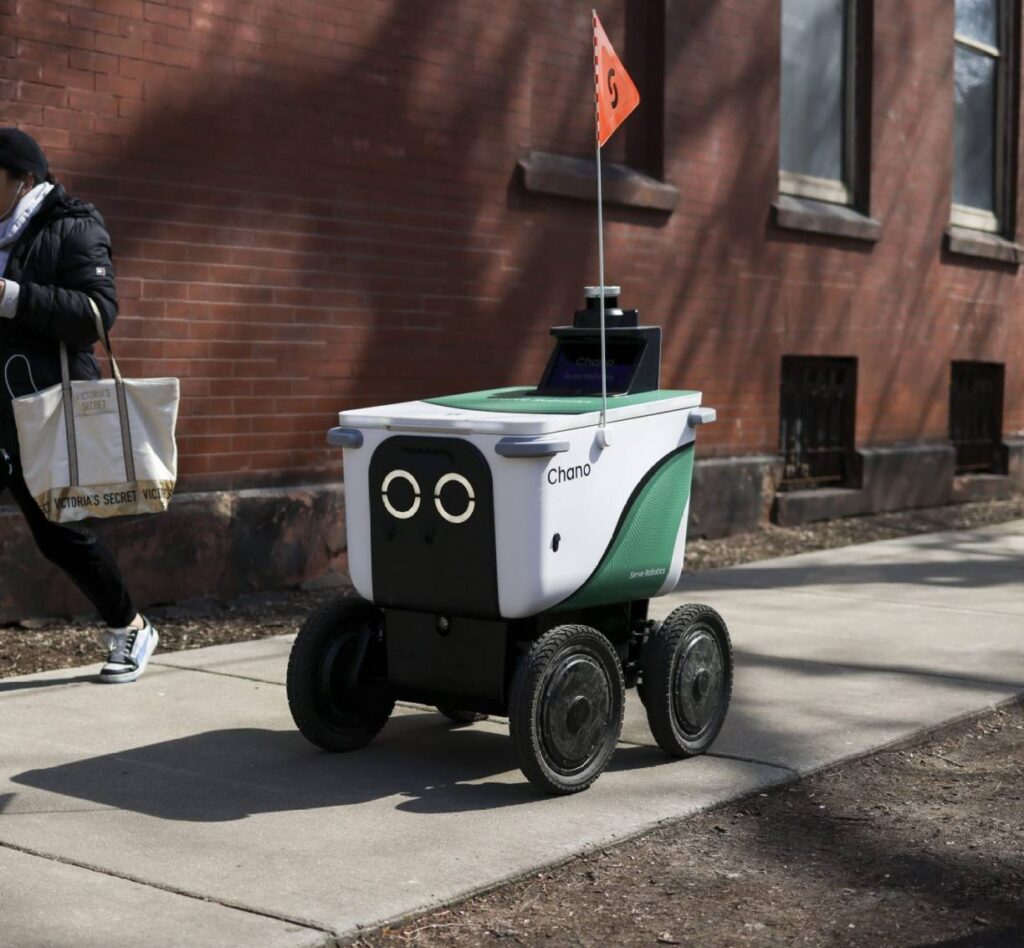

John Roberts didn’t hate the robots at first. The Chicago resident actually found them kind of neat—futuristic, even. Then he took his family for a walk and watched a delivery robot approach. They had to step aside. He had to get out of the way on a strip designed for people, not machines.
That’s when the future started feeling cramped.
Autonomous urban delivery vehicles—small wheeled robots hauling groceries and fast food—are now a routine sight on pavements in several US cities, plus the UK, Japan, South Korea and Germany. They navigate using cameras, sensors and GPS. The companies running them say the technology works. These robots can spot obstacles, cross streets safely, react to what’s around them. They cut traffic. They cut emissions.
Who’s pushing back—and how hard
Not everyone’s buying the pitch. Toronto banned the robots from sidewalks back in 2021. San Francisco squeezed them into quieter zones. Chicago itself has blocked them from two small areas already. Roberts isn’t waiting for a third. He launched a petition demanding the city suspend all delivery robots until proper safety testing happens and clear rules get written. The petition has gathered around 4,400 signatures so far.
Roberts documents what he’s seeing. People stepping into traffic to dodge machines. Collisions. Injuries. A few days before speaking to media, he saw someone struck by one of the robot’s safety flags. These aren’t hypothetical concerns—they’re happening on the pavement outside his house.
The real tension? It’s about whose space this is. A sidewalk belongs to pedestrians. Cyclists. People with strollers. Kids. Elderly folks who walk slow. Now it’s also supposed to belong to a robot with cameras and a schedule to keep.
The math on convenience versus chaos
There’s no disagreement that the robots work technically. Nobody’s disputing the GPS or the sensors. The fight isn’t about whether the technology functions—it’s about whether a functioning technology should get to operate wherever companies want to drop them. Roberts raises the obvious question: what happens when there are dozens of these machines with lights and cameras zipping around the same block every hour?
The companies have their story. The cities that banned or restricted them have theirs. Roberts has his signature count. And pedestrians have their frustration—a growing sense that some decisions get made without asking the people who actually use the pavement.
Chicago hasn’t made a city-wide call yet. That petition is still gathering names.