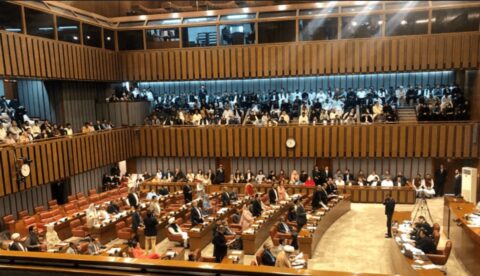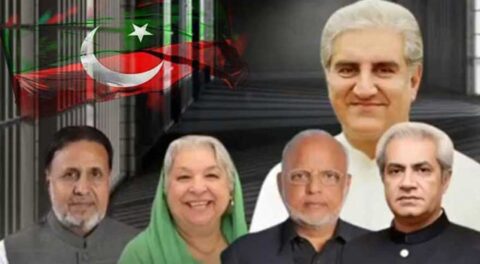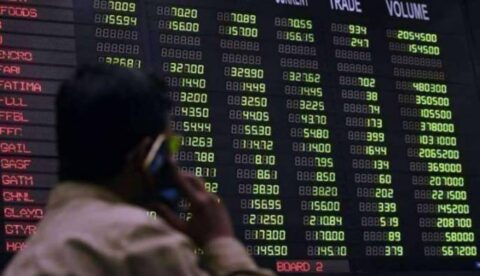


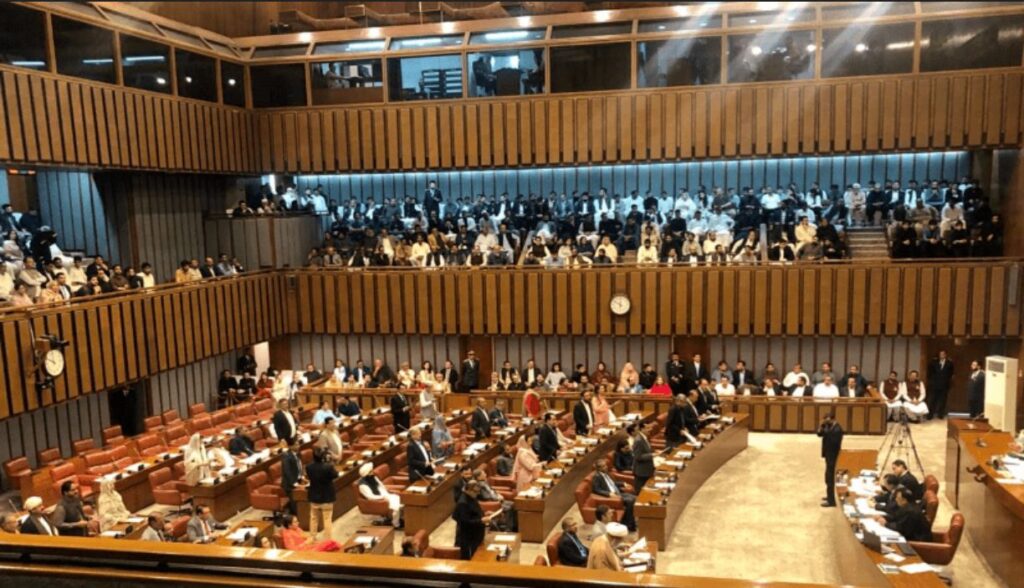

Islamabad woke up Thursday to news that somebody in Parliament is actually fighting for ordinary people. The Senate adopted a bundle of recommendations for next year’s federal budget that reads like a wish list from every salaried worker, farmer, and struggling household in Pakistan. They’re asking for higher income tax exemptions, cheaper electricity bills, and taxes on luxury items instead of necessities. Will it happen? That’s the question everyone’s asking now.
Saleem Mandviwalla, who chairs the Senate’s Finance and Revenue committee, moved the motion after hours of discussion. The recommendations now move to the National Assembly before the final budget vote. But here’s the catch—they’re not binding. The government can listen or ignore them. It’s happened before.
What the Senate actually wants
The Senate is asking for an increase in the income tax exemption threshold for low-income earners, a reduction in electricity tariffs, and lower taxes on essential food, medicine, and agricultural inputs. Walk into any bazaar in Multan, Lahore, or Karachi and people will tell you the same thing—prices are crushing them. A salaried teacher earning Rs40,000 a month shouldn’t pay the same tax rate as someone making triple that.
The recommendations also ask for cuts in taxes on fertilisers and seeds. Talk to any farmer in Punjab and they’ll explain how expensive agriculture has become. Input costs are killing margins. Meanwhile, the Senate wants targeted subsidies for families using low amounts of electricity. Not blanket subsidies. Smart ones.
There’s more. Expansion of social protection programmes for vulnerable households. Removal of new taxes on basics that hit poor people hardest. A transparent roadmap for tackling circular debt in the power sector—a crisis that’s been bleeding the country dry for years.
The hard part: Making it stick
Here’s where reality gets complicated. These recommendations are not binding on the government or National Assembly. The Senate can suggest all it wants. The final say belongs to the NA, which has different pressures, different politics, different demands from international lenders.
Pakistan’s been borrowing heavily. The IMF, World Bank, and other creditors have conditions. Cut the deficit. Broaden the tax base. That usually means taxing more people, not fewer. Reducing electricity tariffs? That requires finding money elsewhere. It’s an equation without easy answers.
Still, the Senate’s move matters. It puts on record what elected representatives believe ordinary Pakistanis need. It creates pressure. When budget hearings happen and people ask why their electricity bill went up instead of down, there’ll be a document showing the Senate said it shouldn’t happen. Whether the government acts on that pressure is the next chapter.