
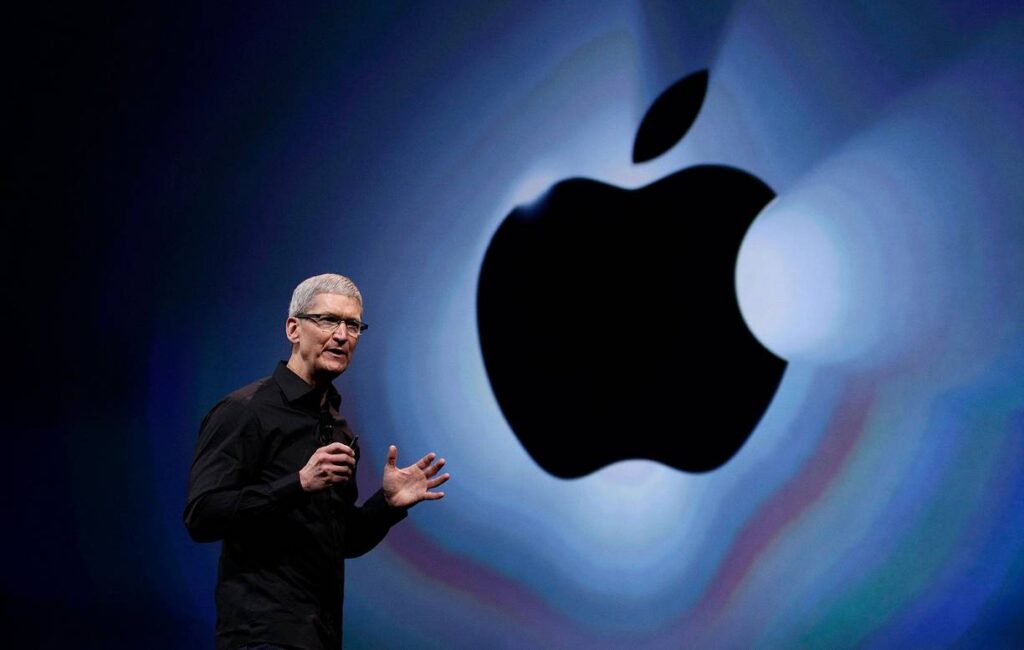

Apple’s outgoing CEO Tim Cook just dropped the news nobody wanted to hear: your next gadget is going to cost more. A lot more, possibly.
Speaking to the Wall Street Journal, Cook didn’t mince words about why. Memory chip prices have more than doubled since October 2025, and the company can’t absorb the hit anymore. He called the situation “unsustainable”—which is corporate speak for “we’ve tried everything, now you’re paying.”
The culprit? Two things colliding at once. First, the AI boom has manufacturers scrambling for chips. Everyone wants them. Supply can’t keep up. Second, the conflict in Iran has strangled the global helium supply, and helium is basically essential for making semiconductors. Less supply. Higher prices. Basic economics kicking you in the wallet.
Cook’s being replaced as CEO by John Ternus in September, but that doesn’t change what’s coming. Apple’s trying to “shield customers,” he said, but there’s only so much shielding you can do when the entire supply chain is on fire.
How much will you actually pay?
Here’s where it stings. Research firm Omdia says smartphones globally will jump 20% in price during 2026, hitting an all-time high. That’s not a typo. Apple’s new iPhones could cost up to $150 more than this year’s iPhone 17 models, especially since the company plans to load them with fresh AI features that demand better specs.
Cook didn’t specify which products get hit first or when the increases take effect. The September iPhone 18 launch? Unknown. Mac Mini? Already happened—Apple yanked the cheaper entry-level option and bumped the base price up by $200 earlier this year.
Apple isn’t alone here. Samsung warned about supply shortages making devices pricier. Sony slapped a $100 price tag on PlayStation 5 in the US and £90 in the UK. Nintendo’s raising Switch 2 prices from September. Taiwan Semiconductor Manufacturing Company—the chipmaker behind Apple, Nvidia, and AMD’s most advanced processors—won’t rule out its own increases.
This is the new normal now
What’s worth watching: most phone makers have already quietly raised prices, cut back on discounts, or stripped specs to protect profits. One analyst told the BBC this is “the new pricing reality, not a temporary spike”—meaning don’t expect relief anytime soon.
Ironically, Apple itself just posted strong numbers. Sales of its devices grew 17% in the first three months of 2026 compared to the same period last year, driven heavily by Chinese demand. So people are still buying. But will they keep buying if that iPhone 18 costs $150 more and does basically the same things your iPhone 17 already does?