

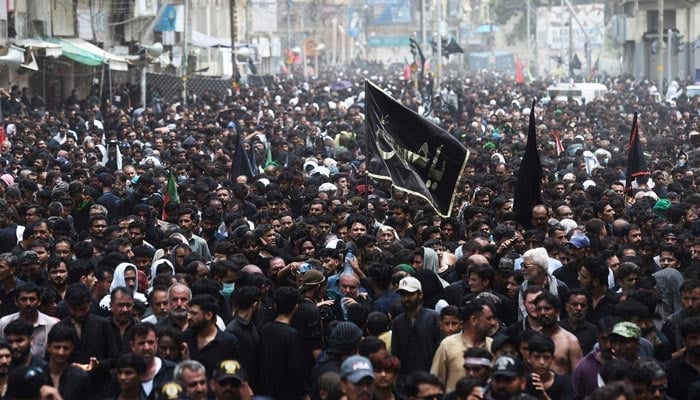

The Punjab government has drawn a line in the sand. Starting from the first of Muharram, the entire province will operate under Section 144—a blanket restriction that touches almost everything people do during the ten-day mourning period. The order came down on June 10th, signed by the home department secretary, but the real weight of it hits differently when you realize what can and cannot happen in your neighborhood.
On paper, the government calls this a security measure. They’re worried about sectarian flare-ups, about people using religion as a cover for violence, about the kind of clashes that leave families grieving twice over. That concern isn’t invented—it’s written in our history. But here’s where it gets complicated: preventing trouble and restricting daily life are two different conversations.
What Gets Shut Down During These Ten Days
New processions and Majalis cannot be organized from 1st to 10th Muharram without prior approval. This is the heart of it. Thousands of communities across Punjab hold Muharram gatherings—some for prayer, some for remembrance, some just to be together. The blanket ban means anyone wanting to hold anything new needs permission first. That’s not necessarily unreasonable. What matters is whether that permission actually gets granted or becomes theater.
Weapons are obvious targets: bamboo sticks, knives, daggers, spears—anything designed to hurt. But the order gets broader. It bans “any article which can be used as a weapon of offence” and combustible material in public spaces. That language is flexible enough to cause problems. What counts as a weapon of offense? A wooden lathi carried for self-defense? A brick picked up from a construction site?
Slogans that target sect or community beliefs are prohibited. So are social media posts intended to “incite sectarian hatred” or contain “abusive or derogatory remarks.” For most people, this makes sense—hate speech shouldn’t have a free pass. But enforcement of digital restrictions is where things get murky. Who decides what’s hateful? How many people get flagged for posts they didn’t mean the way they were read?
The Practical Cost of Staying Safe
Pillion riding is completely banned on 9th and 10th Muharram, the peak mourning days. Wives can’t ride with their husbands. Brothers can’t give their sisters a lift. Unless you’re elderly, a woman, or working for rescue or law enforcement, you’re walking or taking a rickshaw. In cities like Multan where heat climbs past 45 degrees in June, this hits differently.
Rooftops become no-go zones. People can’t collect stones, bricks, or bottles near procession routes. They can’t sit or stand on the roofs of shops and houses. No firing bays—the “Morchas” that sometimes get constructed. These are the measures that suggest someone, somewhere, has detailed plans for violence. That’s the honest read of it.
The government will announce all this through newspapers, radio, TV, and the Official Gazette. Which means most people will learn about it the way they always do: from a neighbor, a forwarded WhatsApp message, or a traffic cop at a checkpoint. Muharram arrives in nine days. Whether these restrictions prevent tragedy or just create frustration—we’ll know by the 26th of June.