


The machinery of diplomatic resolution is grinding slowly but unmistakably forward. After Ayatollah Ali Khamenei’s assassination in February’s joint US-Israeli strikes, his son Mojtaba assumed control of Iran’s nuclear and military apparatus. Yet even that seismic rupture—a Supreme Leader killed by foreign powers—did not push Tehran into total war. Instead, Iran chose negotiation. The calculation is visible in real time: a two-week ceasefire announced April 8 became indefinite, then evolved into something closer to a framework for talks.
What’s happening now is not simple. Pakistan, an unlikely broker with its own complicated history of nuclear weapons and American pressure, hosted the first direct US-Iran talks in 47 years this April. That meeting ended without breakthrough but without collapse—a distinction that matters more than it appears. Diplomats call this maintaining the channel. In Tehran and Washington, officials are measuring their words with surgical precision because one unguarded phrase could detonate whatever fragile consensus exists.
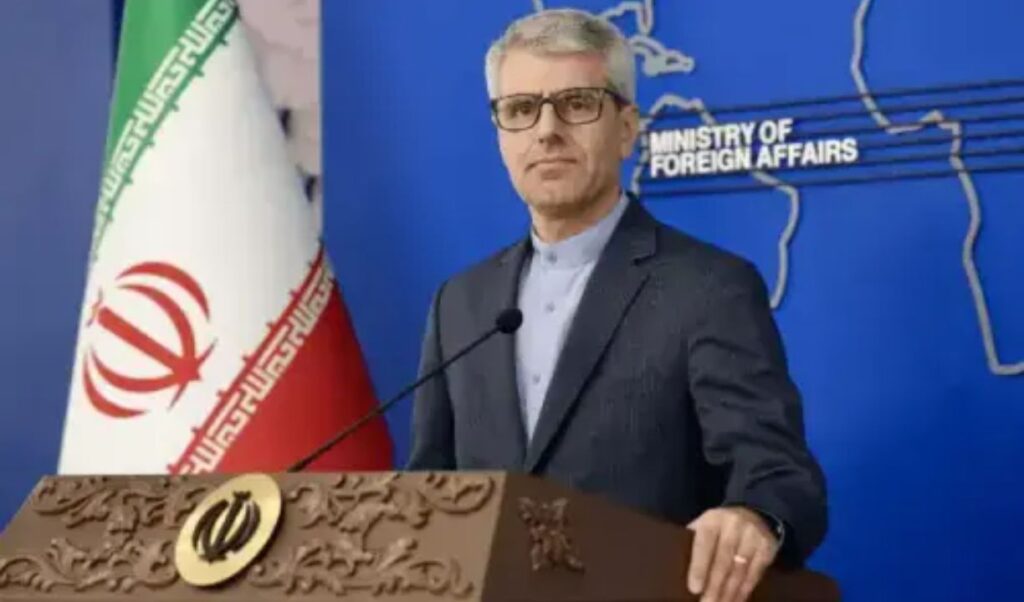
The live updates from June 12 paint a picture of deal mechanics in motion, but also of profound uncertainty. An Iranian Foreign Ministry spokesperson confirmed negotiators are in the “final stages of summarising the text” of a memorandum of understanding. Yet he refused to comment on signing dates or locations. Trump is sharing Iranian diplomat Araghchi’s social media posts. Switzerland is offering to host the ceremony. A White House statement claims Iran has agreed to dismantle its nuclear program. The Iranian side denies reports of a Sunday agreement signing in Geneva. None of this adds up cleanly.
When Assassination Becomes Negotiating Position
Mojtaba Khamenei inherited his father’s position, not his decades of accumulated power. The transition matters because younger Supreme Leaders face legitimacy questions among Iran’s hardline factions. Those factions—the Islamic Revolutionary Guard Corps, the judiciary, the theological establishment—are watching whether Mojtaba sells Iran short in talks with Washington and Tel Aviv. This creates pressure to appear tough while also delivering results that stabilize the economy battered by sanctions and conflict.
Khamenei Sr. was killed before he could see whether his nuclear strategy worked. His assassination by US and Israeli forces—described as “pre-emptive”—transformed him from a problem into a martyr. Iran’s response was constrained rather than escalatory. No major counterattack followed. Instead, Tehran signaled willingness to talk. The ceasefire that took hold in April remains in place despite ongoing regional skirmishes. Hezbollah fires sporadic drones at Israeli positions in southern Lebanon. Israeli strikes hit targets near the border. An oil tanker was struck in the Gulf of Oman. These are not violations of the ceasefire so much as its jagged edges—violence that exists without breaking the framework.
For Mojtaba, any deal that opens Iran’s economy, removes sanctions, and establishes direct relations with Washington looks like a win. But he has to thread a needle: appear to extract maximum concessions while actually moving toward normalization. This explains the Iranian spokesperson’s refusal to confirm details. Every leaked document, every confirmed provision, becomes ammunition for rivals in Tehran who will argue the new Supreme Leader gave away the nuclear program for nothing.
Pakistan’s Unlikely Role in Nuclear Diplomacy
Pakistan’s involvement deserves scrutiny that it’s not receiving. Islamabad holds its own nuclear weapons, has navigated decades of American pressure over proliferation, and maintains complicated ties to Iran—economic, religious, and strategic. When the US and Iran sat down in Pakistan in April, they were meeting on territory that understands nuclear weapons negotiations from lived experience. That credibility is real.
But Pakistan’s leverage here is limited. The country cannot force outcomes; it can only offer geography and diplomatic space. Prime Minister Shehbaz confirmed that “the final text of the US-Iran peace deal” has been agreed upon, yet that very same evening Iranian officials walked back the claim. This whiplash—Pakistani officials announcing breakthroughs that Tehran denies—suggests confusion about who holds authority in these talks or what counts as confirmed versus proposed.
The Strait of Hormuz—through which roughly 7 million barrels of oil pass daily according to US military estimates—sits at the center of deal economics. A US official stated that the strait “will open under terms of the US-Iran deal.” This is the concrete benefit driving Washington’s urgency. Oil flows, markets stabilize, inflation pressures ease. For Trump administration officials claiming 80-85 percent confidence that a deal will be signed in coming days, the energy security calculus is straightforward. Everything else is negotiating theater.
Israel’s Rejection Complicates the Endgame
The deal does not have universal support among the parties that fought this war. Israeli Defense Minister stated flatly that “Israel must ensure it can act independently to stop Iran from getting nuclear weapons” and that Israel will not withdraw from security zones in Lebanon, Syria, and Gaza. This is not a man comfortable with whatever text Washington and Tehran have agreed to. If the deal assumes Israeli withdrawal or reduced Israeli operations in Syria, that assumption is colliding with reality on the ground.
So the live feed of updates—White House claims, Iranian denials, Swiss offers to host, Israeli warnings—reflects genuine discord about what gets signed and what remains unfulfilled. A senior Iranian military official said Iran will “never seek nuclear weapons,” yet that promise rings hollow if Israel retains the right to conduct strikes whenever Tehran’s nuclear activities appear suspicious. The deal may exist on paper while remaining fragile in practice.
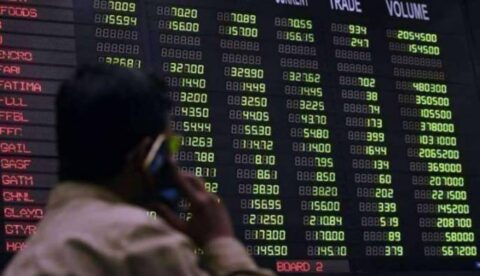
By June 12, we were not quite at the finish line, as one US official acknowledged. Iran’s Foreign Ministry said final decisions were “made internally.” Switzerland stands ready with conference rooms. Markets wobbled on uncertainty. And in southern Lebanon, Israeli aircraft continued to strike, while Hezbollah continued to claim attacks. None of this had officially broken the ceasefire.