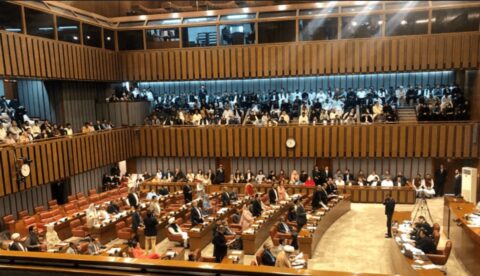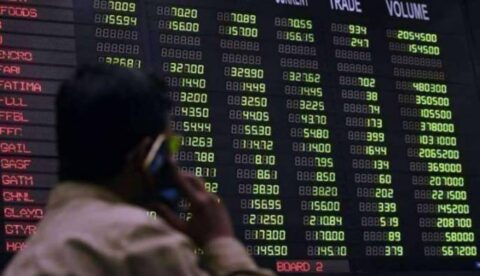


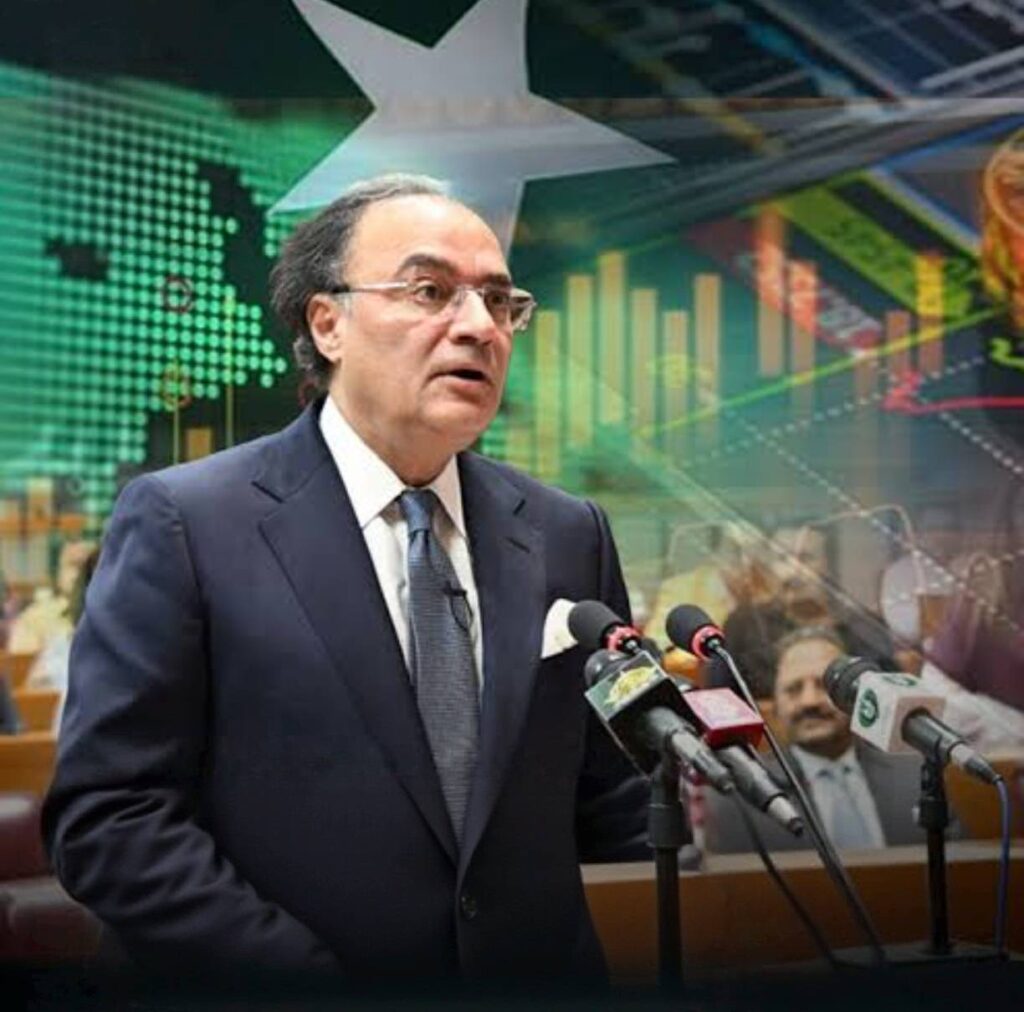

Finance Minister Muhammad Aurangzeb stood in the National Assembly and presented a document that will affect how much money walks into bank accounts across the country next month. The Budget 2026-27 is Pakistan’s third major financial statement since the 2022 crisis, but this one carries different weight. The government isn’t fighting for survival anymore. It’s betting on momentum.
Two years ago, forex reserves covered barely three weeks of imports. Inflation touched 38 percent annually. The currency collapsed. Today, reserves stand above $17 billion, inflation has cooled to around 4.5 percent, and remittances hit a record $38 billion. These aren’t small shifts. They’re the difference between a country in acute crisis and a country attempting to rebuild. But stability and growth are different animals, and the budget’s real test lies in converting one into the other.
What makes this budget different is whom it targets first: the salaried professional, the person with a fixed income who endured the last four years of economic battering. The government knows that class matters for political stability. It also knows that consumption matters for economic recovery.
Income Tax Restructuring: Money Back in Middle Incomes
The restructured income tax slabs read like a deliberate political choice. Someone earning between 32 lakh and 41 lakh rupees annually now pays 25 percent instead of 32 percent. Higher brackets—56 lakh to 70 lakh—drop from 35 percent to 29 percent. For a middle-income professional in Karachi or Lahore, this translates to savings that run into hundreds of thousands annually. The surcharge elimination removes another layer of taxation that hit higher earners specifically.
Here’s where the math gets interesting. The government also eliminated the super tax on certain income brackets, which had been introduced to push wealthier Pakistanis toward broader tax bases. That policy made sense during crisis management. But crisis management and economic expansion require different tools. Lower taxes on salaried incomes theoretically mean more disposable income, which should translate into consumption, which drives demand, which encourages businesses to hire and invest.
The risk is obvious. Revenue collection already remains a fractional part of GDP in Pakistan. Lower tax rates on the salaried class—the most documented income group—means less money for the government to spend on infrastructure, healthcare, or education unless it finds offsetting revenue elsewhere. The budget documents don’t clarify where that offset comes from. They promise it’s coming through broadening the tax base, catching more people in the formal economy, digital taxation. None of those materialize quickly.
Property Markets and Overseas Wealth: Signals to Capital
The property sector has been bleeding transaction volume for two years. Prices didn’t fall proportionally because real estate in Pakistan functions partly as a wealth storage device, not just a housing market. High-earning Pakistanis—especially those overseas—own property here not primarily to rent or sell but to park money safely outside the formal financial system.
The budget’s abolition of Capital Value Tax on foreign assets is a direct message: bring your documented wealth back into formal property transactions. Reduce withholding tax rates on property sales, and you remove friction. For an overseas Pakistani who owns property or wants to buy, fewer taxes mean faster transactions and lower costs. The government wants these deals documented in official ledgers.
Capital Gains Tax continues to apply when property is filed in annual returns, which means the actual tax reduction is smaller than headlines suggest. But the direction matters more than the magnitude. The government is signaling that it prefers documented wealth flowing through the property system over undocumented money sitting in office safes. Transaction volumes will probably rise modestly. Whether this translates into actual growth in the broader real estate construction sector remains uncertain. Real estate booms require multiple conditions: mortgage access, builder confidence, construction financing. Tax cuts alone don’t create those.
Growth Targets and the Credit Rating Shift
The government claims GDP growth of 3.7 percent for the outgoing year, with Large Scale Manufacturing recovering at 4.1 percent. That’s meaningful progress when you remember where the country was. It’s not impressive when you consider that Pakistan’s long-term potential sits around 4 to 5 percent, and neighboring economies routinely exceed 6 percent.
Credit rating upgrades from Moody’s, Fitch, and S&P create their own momentum. The Eurobond market reopened with a $750 million offering, ending years of international capital market access. That’s significant for government borrowing costs. Lower international borrowing rates mean cheaper debt refinancing. But cheaper debt doesn’t equal stability if you’re not growing faster than your debt accumulates.
The remittance target—$41 billion for 2026-27 compared to $38 billion this year—hinges on continued stable political conditions and dollar inflows from the diaspora. That number matters because remittances are currently financing a significant portion of current account stability. They’re not growth, though. Growth requires exports, manufacturing competitiveness, private investment.
The budget reads as a middle path: not aggressive enough to force structural change, not cautious enough to guarantee stability. Tax cuts boost consumption in the short term. Property reforms encourage documentation. Rating upgrades improve borrowing capacity. But none of these address why Pakistan’s tax-to-GDP ratio remains stubbornly low, why manufacturing hasn’t recovered its pre-crisis competitiveness, or why private investment continues to lag. The Finance Bill will contain the actual rates and implementation details that determine whether this budget becomes the turning point the government claims or just another stabilization holding pattern.