

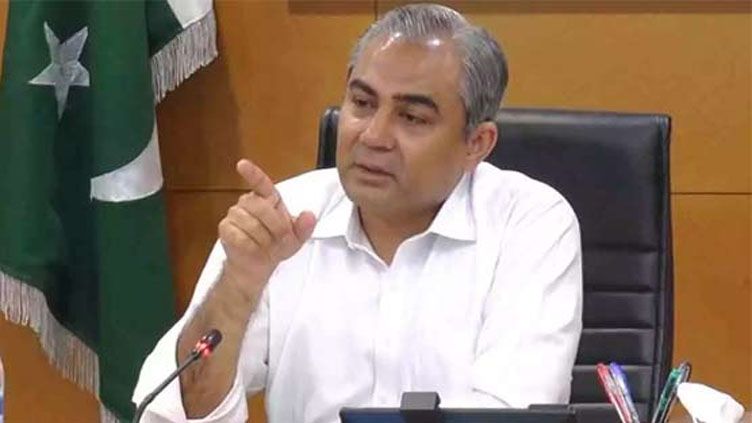

Interior Minister Mohsin Naqvi sat down with religious scholars this week and made a straightforward pitch: help us tell one story about terrorism. Not multiple voices arguing different angles. One message. Twenty-two thousand mosques across Pakistan, he said, could deliver that unified call if they worked together. The question wasn’t whether Islam opposes extremism—scholars already know that answer. The question was whether they’d say it loudly enough.
Speaking at the Paigham-e-Aman Committee meeting in Islamabad alongside Minister of State for Interior Talal Chaudhry, Naqvi didn’t dance around what he wanted. He asked religious leaders to issue statements and rulings that strengthen the state’s position against terrorism, grounded in Quranic teachings and Islamic history. No hedging. No neutrality. Support for the state’s narrative against terror and fitna—the religious concept of disorder that destabilizes a nation.
This matters because Pakistan has spent decades watching competing religious voices muddy the water on security. When scholars speak individually, their messages scatter. When clerics in different cities preach different interpretations, the public gets confused about what Islam actually says on these questions. Naqvi wants that fragmentation to end.
From One-Off Events to Year-Round Coordination
Right now, religious engagement happens in bursts. During Ramazan, scholars get involved. In Rabiul Awwal, religious messaging picks up. Then silence for months. That pattern leaves huge gaps. Naqvi wants monthly meetings institutionalized and coordinators assigned to keep the system running all year. He compared it to a sports team—the captain doesn’t just show up for tournament season. He practices every week.
The proposal expands beyond individual mosques. All madrassa boards, religious committees at the provincial level, seminary networks—they’d feed into one coordinated system. Some of this work already started in Punjab. The interior minister wants it scaled nationwide. The machinery exists. Now it needs to run continuously.
Naqvi also brought up something simpler but maybe harder to execute: respect. States don’t permit hate speech toward other religions or sects, he said. That message cuts both ways—toward the pulpit and toward the public who listens. Religious leaders have credibility. When they speak responsibly about other faiths, ordinary Pakistanis notice and follow.
What the Center Holds Together
Naqvi used a team metaphor to explain how Pakistan handles regional crises. The captain doesn’t call plays from the field. The leader sets strategy, approves direction, then the team executes. He referenced how Pakistan’s top military leadership prevented escalation during US-Iran tensions—credibility on all sides made that possible. Field Marshal Asim Munir’s trustworthiness with various actors allowed him to function as a brake on regional conflict.
That same logic applies domestically. When 22,000 mosques deliver one message, when seminary networks align, when religious boards speak together—friction drops. Confusion about what Islam teaches on terror dissolves. The state’s narrative doesn’t get drowned out by competing voices claiming religious authority.
Whether scholars will commit to monthly meetings and structured coordination remains unclear. Whether 22,000 mosques can actually sync their messaging—that’s a different test entirely.