


The playbook for celebrity health crises usually reads the same: announcement, apology, cancellation. Bollywood’s Sonu Nigam just tore up that script. A week of MRI machines and CT scans revealed what he’s calling pinched nerves in his neck and throat—the kind of condition that would justify scrapping months of bookings. Instead, he’s returning to stage in just over a month, painkiller-dependent and physiotherapy-bruised, but committed.
What makes this worth watching isn’t the brave-performer narrative—that’s been done. It’s what his choice reveals about the economics of live entertainment in 2026. His Sydney Revolution Tour sold out within 48 hours of tickets going live. That’s not a casual achievement. That’s the kind of demand that makes cancellation feel like leaving money on fire.
When Your Throat Becomes Your Liability
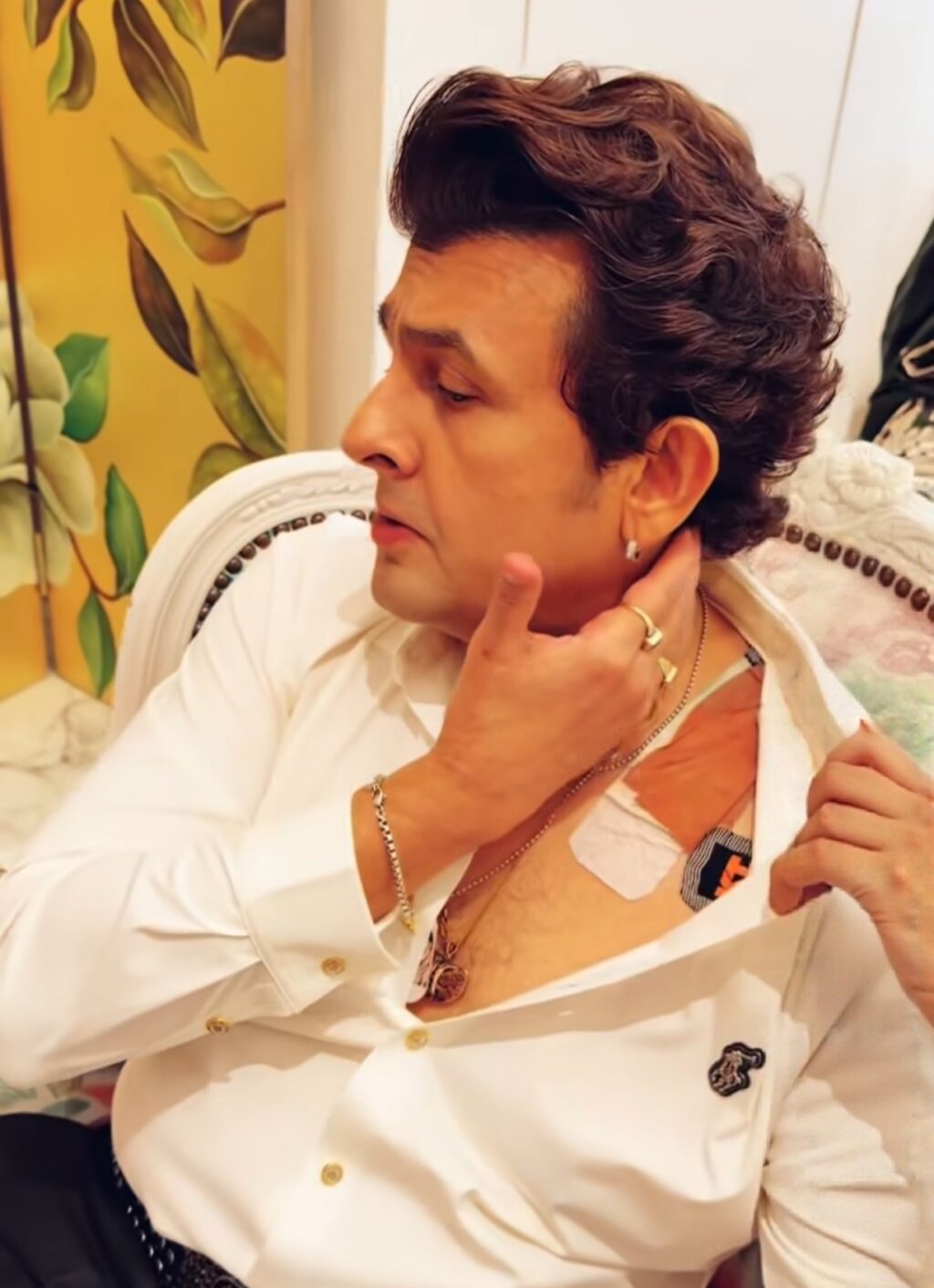
For a vocalist, nerve damage affecting the neck and throat sits somewhere between inconvenient and catastrophic. Nigam posted video evidence of his condition, bandaged neck visible, his voice noticeably strained. He described the past week as brutal: hospital examinations stacked on physiotherapy sessions, each one painful enough to warrant continuous painkiller use. He’s still taking medication, which is why he says his throat feels heavy.
The rational move would be to delay. To reschedule. To let the body heal without the added stress of international touring. Nigam knows this calculation exists. He addressed it head-on by performing in Dubai with Salim Merchant almost immediately after going public with his diagnosis. He’s essentially betting that controlled, managed performances won’t worsen his condition—and that the revenue stream justifies the physical risk.
Selling Out Before You’re Fully Healed
What’s unsaid in his Instagram post matters more than what’s explicit. Canceling a sold-out Sydney show would mean refunding thousands of tickets, disappointing audiences across international markets, and signaling to promoters that his health can’t be depended on. The Revolution Tour reaching full capacity within 48 hours suggests demand that won’t wait for him to recover completely.
He’s counting on either two things: that physiotherapy will work faster than expected, or that adrenaline and professionalism can compensate for incomplete healing. Nigam’s framing it as personal commitment. The economics suggest it’s also professional necessity. His October Sydney performance sits roughly four months from now. If treatment progresses well, he’ll be functional. If it doesn’t, he’s already locked into fulfilling those commitments despite ongoing pain management.
The singer hasn’t explained how he’ll protect his voice through an international touring schedule. That’s the real question beneath the headlines.