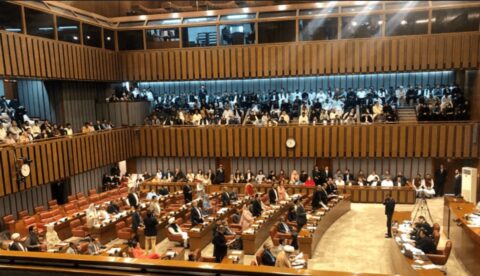


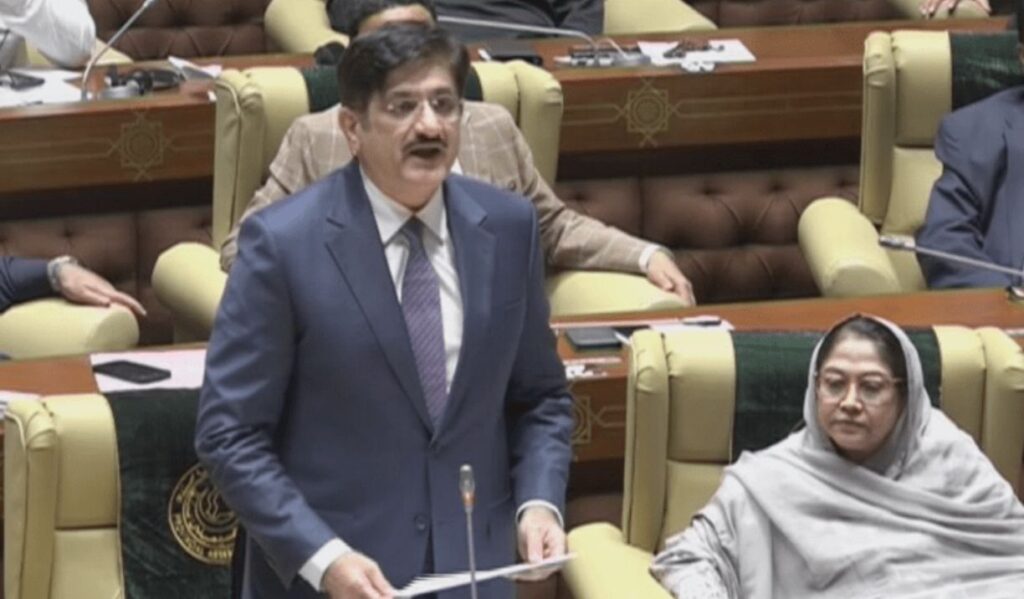

Inside the Sindh Assembly on Wednesday morning, things got heated before CM Murad Ali Shah could even finish saying hello. Opposition lawmakers and MQM-P members started shouting demands. Speaker Awais Qadir Shah told them to sit down or walk out—the nation was watching, he said. They stayed. He continued.
What happened next was the 11th consecutive budget Murad has presented since taking office. Numbers matter less than what they mean. The provincial government increased the minimum monthly wage from Rs40,000 to Rs43,000. That’s three thousand rupees more. For a person earning minimum wage—factory worker, shop assistant, cleaner—that’s real money. It buys extra groceries. It covers a child’s school fees for one more month.
The total budget sits at Rs3.562 trillion. That’s the kind of number that stops meaning anything after you say it out loud. What matters is the 7% salary increase for Sindh government employees. Teachers. Nurses. Police officers. People with families depending on their paychecks will see a bump. The government also merged two relief allowances from 2022 and 2025 into one—a decision that sounds technical but translates to actual relief for someone stretched thin.
When Farmers Get a Break
Agricultural tax is getting smaller. The super tax rate on farming dropped from 10% to 8%. In villages across Sindh—Jacobabad, Tando Muhammad Khan, the cotton-growing belts—this might actually change how people plan their year. When taxes shrink, farmers breathe easier. They invest in seeds. They fix equipment.
The government allocated Rs6.3 billion for agriculture and livestock development. That cash goes toward programs with names that sound distant to city people but mean something concrete in rural areas: the Kitchen Garden Programme, the Benazir Hari Card, support for women agricultural workers. These aren’t handouts. They’re infrastructure.
CM Murad made a point in his speech that bureaucrats usually bury in paragraphs 12 and 13. He said the provincial government protected Sindh’s share in the National Finance Commission Award from federal negotiators. That’s him saying: we fought to keep what’s ours. Whether he won that fight or not is another question altogether.
The Numbers That Didn’t Get Shouted About
The cabinet approved this budget after Murad chaired a meeting with ministers and secretaries. His spokesperson said they praised his “record development work” during the last financial year. What that means depends on where you live. A new road in Karachi. A school building in Hyderabad. A water project in Sukkur. Or maybe nothing visible at all.
What’s missing from the headlines? Education and health were mentioned at the cabinet meeting but details didn’t make it into the official statement. The budget was prepared “with the interests of all sections of society in mind,” according to Murad. That phrase works for any budget, anywhere, presented by anyone. What does it actually mean for the next 12 months in Sindh?