


The Lights Have Gone Out Again
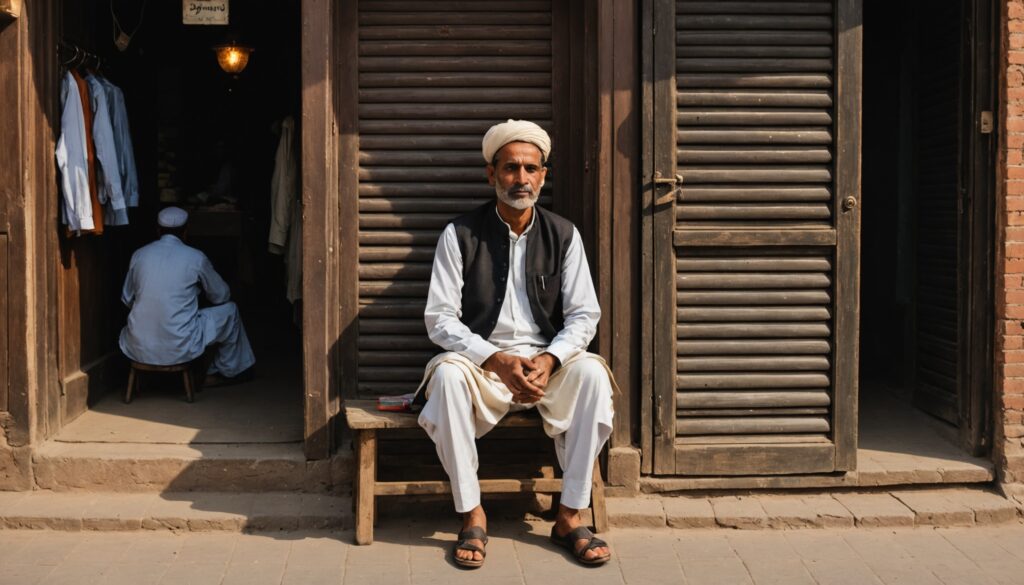
In Multan’s old city, the spinning fans have stopped. Shopkeepers in the Chowk Bazaar pull down their metal shutters by 4 p.m. because there is simply no point keeping them open when the electricity vanishes. A mother in Nishtar Colony spends her evening fanning her sleeping children by hand while the generator next door rumbles through the night, a sound that has become as familiar as the call to prayer. This is not a story from 2015. This is happening right now, in summer 2026, and it feels like we never left.
The load shedding crisis has returned with a vengeance that catches no one by surprise anymore. Electricity bills have climbed sharply while the hours of supply have shrunk.
Rolling blackouts stretch across 8 to 12 hours daily in many towns.
What the Pakistan Load Shedding Crisis Means at Your Door
Talk to any factory owner in the industrial zones and you hear the same tired refrain: how do you run machines that need consistent power when the grid cannot promise you four hours straight? Small businesses that operate on tight margins are closing or moving—some to other countries where electricity is simply there when you flip a switch. The textile mills and garment workshops that kept thousands of families fed are now running skeleton shifts. People are losing jobs not because business is bad, but because the business cannot function. You can read more on TheCapital.pk about how this ripples through our economy, but the real story is in the neighborhoods where breadwinners come home with pink slips.
At home, the picture is just as bleak. Families are spending money they do not have on generators, inverters, solar panels—anything to buy themselves a few hours of light and cool air.
The poor simply suffer.
Children study by candlelight or mobile phone torches because there is no alternative. Hospitals struggle to keep their emergency wards running on backup power that was never designed for 12-hour daily outages. Food spoils in homes without refrigeration. Medical students postpone their studies because they cannot read. Heat exhaustion cases pile up in summer when air conditioning becomes a luxury only the wealthy can afford. Patients in smaller towns report missed dialysis appointments because clinics cannot guarantee uninterrupted power for their machines.
What does this actually mean for you, reading this right now on your phone while worried about tonight’s electricity bill? It means your earning power is shrinking while your costs rise. It means your children are studying under worse conditions than you did. It means the government promises solutions year after year while we all learn to live in the dark.