


The Rate Nobody Wanted to See
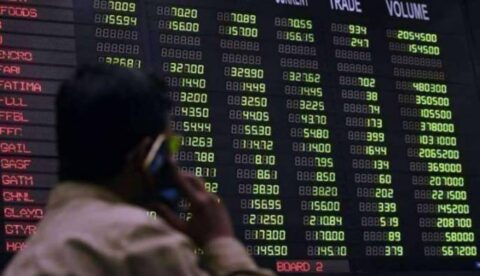
The rupee did not strengthen today. Instead, it moved in the direction that has become so familiar to Islamabad traders and Karachi importers that they barely look up from their screens anymore—downward, steady, relentless.
Currency weakness is a tax on the poor that nobody votes for. When the rupee falls, a salaried worker buying imported medicine pays more. A small manufacturer in Sialkot who sources raw materials overseas watches margins evaporate. Remittance families who depend on dollars sent home by relatives abroad keep a close eye on the interbank rate because every fractional movement changes what their money buys.
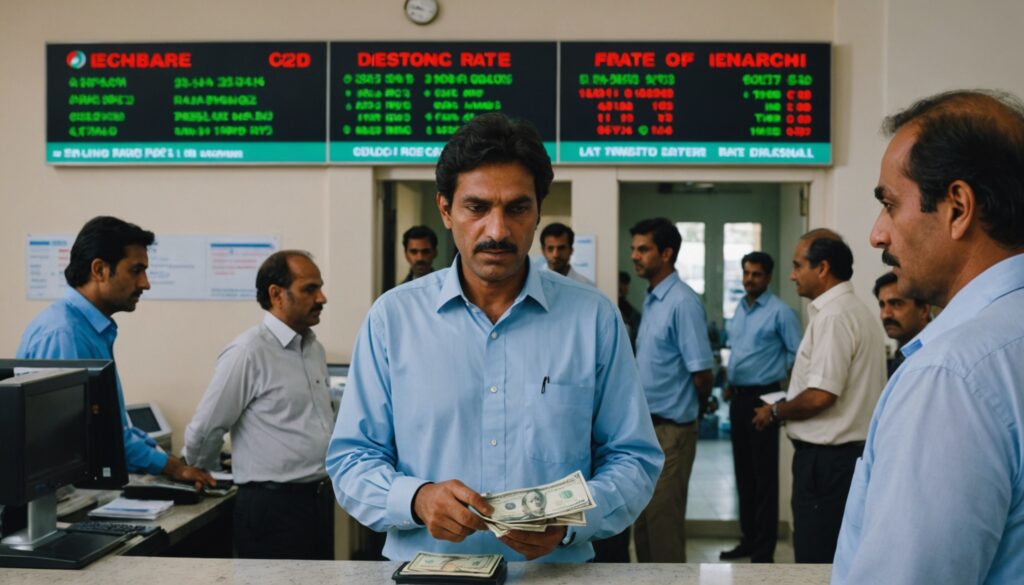
The State Bank publishes a closing rate each day. Banks trade at slightly different prices depending on volume and time of day. What you see on your phone is not what your actual transaction will cost—it is always worse by a few paisas or a few rupees, depending on how much you are moving.
Who Benefits When Rupee Dollar Rate Today Moves Down
This is where the story gets sharp. Exporters—cotton traders, rice millers, textile factories shipping to Dubai and Manchester—they benefit when rupee weakens because their dollar earnings buy more rupees back home. A Pakistani apparel exporter earning dollars suddenly sees higher rupee revenue from the same sale. Their profit margin just improved without selling a single extra shirt. Who told them to hire more workers or invest in new looms? Nobody. They sit with the gain.
Importers and consumers get hammered. An electronics retailer in Lahore who bought a container of phones at a certain rate now owes more rupees to clear customs because the rate moved between order and delivery. That cost goes to the price tag. Petrol prices follow the dollar because Pakistan imports crude oil. Electricity tariffs rise because generation costs are dollar-linked. Your phone bill climbs. Your groceries become slightly more expensive. The data is posted on TheCapital.pk by financial analysts who track every movement, but the real story is in the checkout line, not the spreadsheet.
Dollar hoarding accelerates when people lose confidence in the rupee.
Black market dealers in Rawalpindi’s bazaars offer rates slightly better than official ones because demand is always there. People with savings in rupees want out. The central bank’s foreign reserves fluctuate as it tries to manage supply. Every policy decision at State Bank House in Karachi is made knowing that the rupee’s weakness signals something deeper—that Pakistan earns less abroad than it owes, that trust in the currency is fragile, that ordinary Pakistanis are essentially financing a structural problem through reduced purchasing power.
Check the rate before you travel or send money. But understand what you are really looking at—not just a number, but a compact history of policy choices and who bears the cost of fixing them.