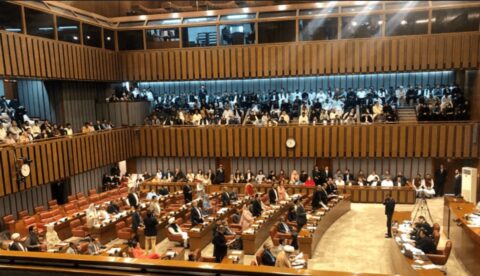


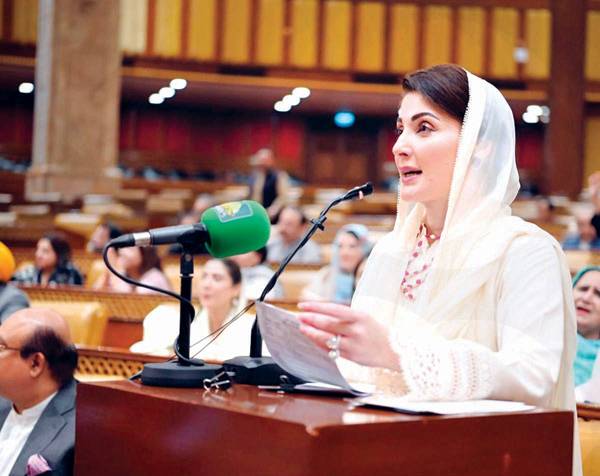

Punjab is tabling a Rs5.3 trillion budget for 2026-27 without introducing fresh taxes. Provincial Finance Minister Mian Mujtaba Shuja-ur-Rehman will present the plan today during the 43rd assembly session in Lahore, bringing with it the usual mix of salary increases, development schemes, and institutional vanity projects—but no new revenue demands on taxpayers.
The math works because Punjab expects Rs4.4 trillion from the National Finance Commission award and Rs1 trillion from its own revenue collection. That’s where the squeeze sits. Provincial coffers must stretch to cover mandatory expenses while funding discretionary programs.
Breaking down the proposed allocation tells the real story. Salaries consume Rs650 billion, pensions another Rs505 billion. Development projects take Rs700 billion. The Punjab Finance Commission gets Rs800 billion. These four buckets alone account for over Rs2.6 trillion—nearly half the total budget.
Where Development Money Actually Goes
The Annual Development Programme lists 3,560 schemes across the province. Rs493.25 billion funds ongoing projects while Rs258.75 billion covers new ones. This isn’t new. Year after year, existing schemes consume most development spending while new infrastructure pledges rarely move past announcement stage.
This budget includes some fresh institutional commitments: the Kulsoom Nawaz Cancer Hospital in Dera Ghazi Khan, Mian Nawaz Sharif University of Engineering and Technology, and the Shehbaz Sharif Sports Complex in Kasur. Allocations for the Chief Minister’s Laptop Programme, Kisan Card, and Livestock Card continue. Whether existing schemes actually complete on budget and timeline remains a separate question entirely.
The salary component deserves attention. Provincial employees will see a hike aligned with the federal government’s announcement. The exact percentage hasn’t been disclosed, but matching central government raises suggests the increase won’t be dramatic—likely 5 to 10 percent range, though that’s educated guessing.
No Tax Push, but Revenue Pressure Mounting
The Finance Minister will present notifications regarding amendments to Sections 5 and 76 of the Punjab Sales Tax on Services Act, 2012. These changes carry real weight for businesses and services. The government frames this as technical adjustment rather than tax increase, but the distinction matters less than the actual revenue impact—which hasn’t been disclosed publicly.
The Fiscal Risk Statement coming alongside the budget should clarify the province’s debt trajectory and contingency liabilities. Whether Punjab’s own revenue collection of Rs1 trillion will actually materialize depends on tax compliance and economic growth—both uncertain at present.
Assembly security has been tightened for today’s session. Opposition protests are anticipated. The budget documents exist. The numbers are set. What remains unclear: will development schemes actually move forward, or will 2026-27 become another year where announcements outnumber completions?