

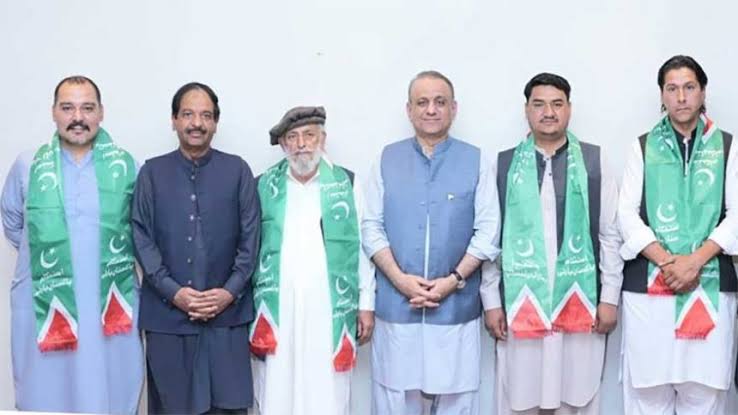

In Gilgit, something quiet happened on Tuesday that tells you everything about how Pakistani politics really works after elections end. Four newly elected independent lawmakers walked into a room with Federal Minister Abdul Aleem Khan and walked out as members of the Istehkam-e-Pakistan Party. No drama. No press conferences. Just the machinery of coalition-building grinding into motion.
The four—Anwar Ali from Ghanche-II, Dr Asad Shafiq from Ghanche-III, Muhammad Dilpazeer from Diamer-I, and Aman Ali Amir from Yasin—weren’t household names. They won as independents on June 7 when Gilgit-Baltistan held its assembly elections. Now they’re part of a party that didn’t win a single seat during those elections.
When Parties Buy Their Way Into Assemblies
This is how power gets built in rooms, not on the streets. IPP fielded candidates across multiple constituencies but won zero seats in the election. That’s a hard loss. Yet within days of the results, the party suddenly has a foothold in the assembly. It’s not unusual—it’s how every coalition government in Pakistan gets assembled—but it does raise a question about what those independents were really running for in the first place.
The timing matters. PPP won 10 of 24 seats in Gilgit-Baltistan. That’s not enough to form a government alone. PML-N and PPP are already in talks about power-sharing. The opposition—PTI included—is crying foul about rigging. And here’s IPP, a party that lost everywhere, suddenly counting heads.
Anwar Ali, Dr Asad Shafiq, Muhammad Dilpazeer, Aman Ali Amir. These names will matter in the next few weeks when government formation happens. Maybe they got promises. Maybe they saw which way the wind was blowing. In Pakistani politics, those questions don’t always have clean answers.
The Math Game Nobody Wins
Prime Minister Shehbaz Sharif said PML-N will sit in opposition but vote for PPP to let them form government. It’s the kind of arrangement that sounds logical on paper. PML-N gets to look clean. PPP gets the numbers it needs. Everyone shakes hands and moves forward.
Except the opposition doesn’t believe any of this was fair. PTI and its allies are planning protests over the election results. They’re calling it rigged. Meanwhile, in back rooms from Islamabad to Gilgit, lawmakers are switching parties, forming blocs, cutting deals. The question now isn’t who the voters wanted. It’s who can hold 12 seats when the votes are actually counted.
Four independents joining one party changes the numbers just enough to matter. Whether it changes anything about how Gilgit-Baltistan actually gets governed—that’s another story entirely.