


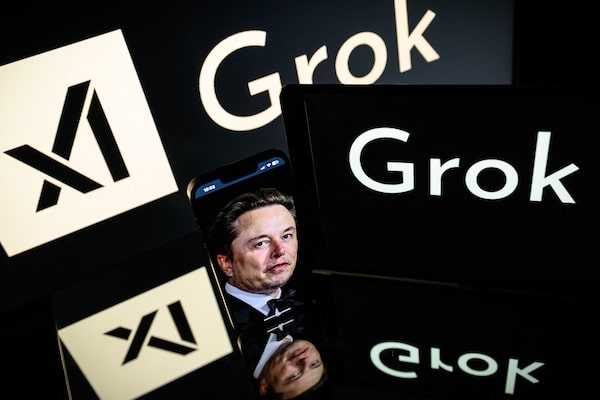

Here’s something that just landed in a US court filing, and it’s the kind of detail governments usually keep buried. Elon Musk’s AI tool Grok—the one powering xAI—was already being used in actual military strikes against Iran. Not hypothetically. Not in some pilot program. In real operations.
The US Department of Justice dropped this information on June 15 while defending a data center owned by Musk’s company. Over 2,000 munitions hit 2,000 distinct targets within 96 hours during Operation Epic Fury, according to Pentagon AI chief Cameron Stanley’s sworn testimony. That’s the kind of scale that makes you sit back and think about what’s actually happening in military operations now.
The whole thing came out because the NAACP is suing xAI over pollution from turbines running those data centers in majority-Black neighborhoods. The Pentagon’s response? They basically said, “Look, if you shut this down, you’re threatening national security because we’re using this for military AI.” It’s a bold legal move—using the classified operations themselves as a defense against environmental violations.
From Claude to Grok: When Plans Change Fast
This wasn’t supposed to be Grok’s job. The Pentagon initially used Anthropic’s Claude model for Project Maven, its AI-assisted targeting program. But in February, Anthropic said no—they wouldn’t allow their tools for fully automated strikes or mass surveillance operations. So the military shopped around. Google, OpenAI, and xAI all got a chance to step in.
The transition wasn’t smooth. When March rolled around, the government had to admit Claude was still being used in Iran operations because the switch hadn’t finished yet. That’s the messy reality behind the headlines—even when you terminate a contract, the old systems keep humming along for months.
Musk’s timing here is interesting. In February, he folded xAI into SpaceX. Then on June 12, SpaceX pulled off the largest IPO in history. Now his AI company isn’t just valued in billions—it’s part of a trillion-dollar operation that’s literally powering active military campaigns. The business moves and the military contracts are moving in lockstep.
At Google, over 600 employees pushed back when the company started working with the Pentagon on classified military AI. Nobody’s sure if that resistance will stick, or if the money and national security argument will drown it out. Meanwhile, at xAI? The company seems entirely comfortable with what it’s building.
The environmental lawsuit will probably drag on. The Pentagon will keep saying national security. And Grok will keep processing military data through those turbines in those neighborhoods. So what changes here?